This April, 18 people from all over the world came together to find out the answer. A filmmaker tracing her Partition-era roots, a public health professional returning to her homeland after 15 years, a student from Mansa asking hard questions, a veteran researcher, an entrepreneur who last saw Punjab as a child, all signed up for Kirrt Yatra. They spent 15 days travelling, eating, engaging with and listening to the locals, who have lived and built this story for their entire lives.
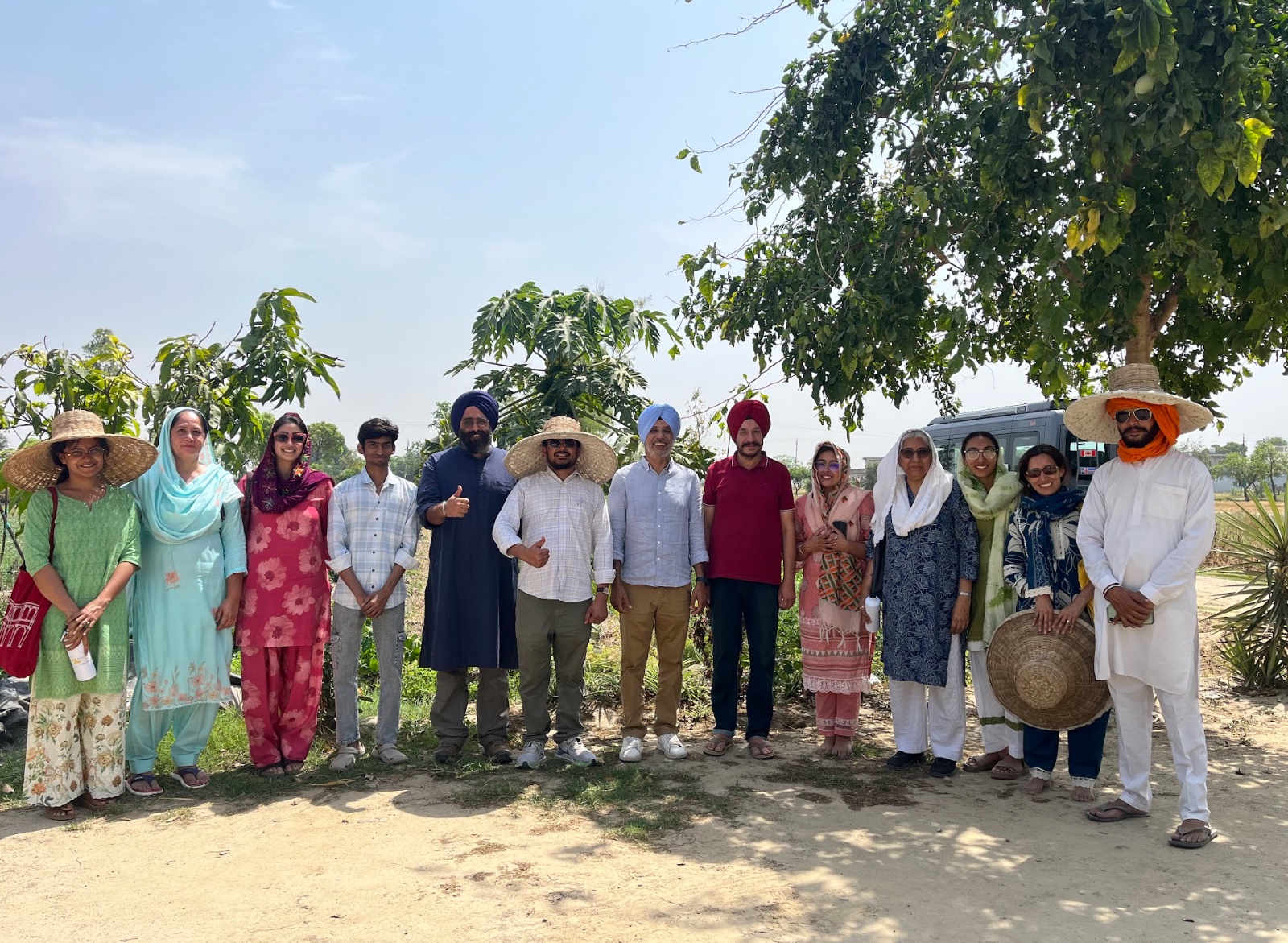
18 Yatris | 7 Districts | 1 Mission
15 Days. A Lifetime of Perspective.
There is a Punjabi word, ‘Vichhora’, for that quiet ache of distance from one's roots. Not just a geographical separation, but the kind that settles inside you when you've only ever met your homeland through headlines, through your grandparents' stories, through a song that makes you inexplicably homesick in a city that should feel like home.
Kirrt Yatra, designed by Sanjhi Sikhiya, Rahao School of Life and Sonas, was a response to that ache.
What did the yatris have to say?
“I always thought that the Punjab that we heard in stories by our grandparents was not found in reality, but when this Yatra invited me into conversation circles of the villages, I could finally see Punjab in its most authentic and honest version.” -Beant Kaur
“Punjab is the future of clean energy, sustainable agriculture and values which fuel spiritual, mental and physical wellbeing. Home to me is where the ‘sangat’ is, where we feel connected with one another, and that is Punjab for me, where this Yatra has held me.”
-Sandeep Rangi
“We all were equal travellers in this Yatra, no hierarchy of age, gender, class, caste and we all were asking questions, together. This feeling of community defines Punjab for me.” - Ramanjit Kaur Johal
What did they do?
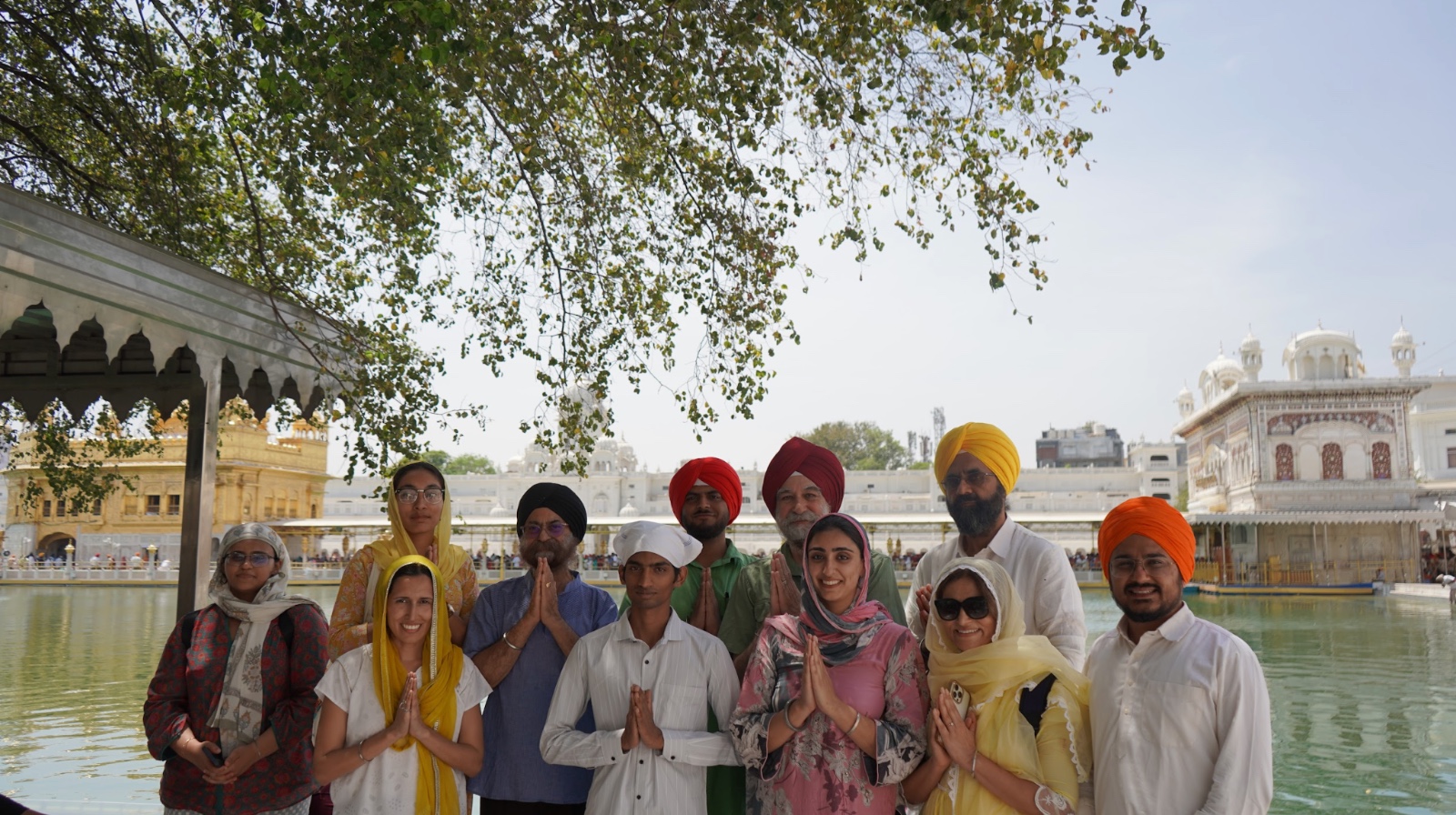
They started their Yatra by celebrating Vaisakhi at Anandpur Sahib, they walked riverbeds barefoot, they served langar at the Golden Temple, they sat in village circles and listened, they stood at a Harappan excavation site and held 5,000 years of civilisation in their conversations. Finally, at Amritsar, they ended the Yatra with a pledge.
Across seven districts, Ropar, Fatehgarh Sahib, Patiala, Hoshiarpur, Gurdaspur, Tarn Taran, and Amritsar, the yatris were confronted with a simple truth, as one participant shared:
"We realised the ‘Vichhora’ we felt was not just geographical, it was internal. By walking the land, we found our way back to the true spirit of Punjab, which lives in ‘sewa’ (selfless service) and ‘simran’ (remembrance)."
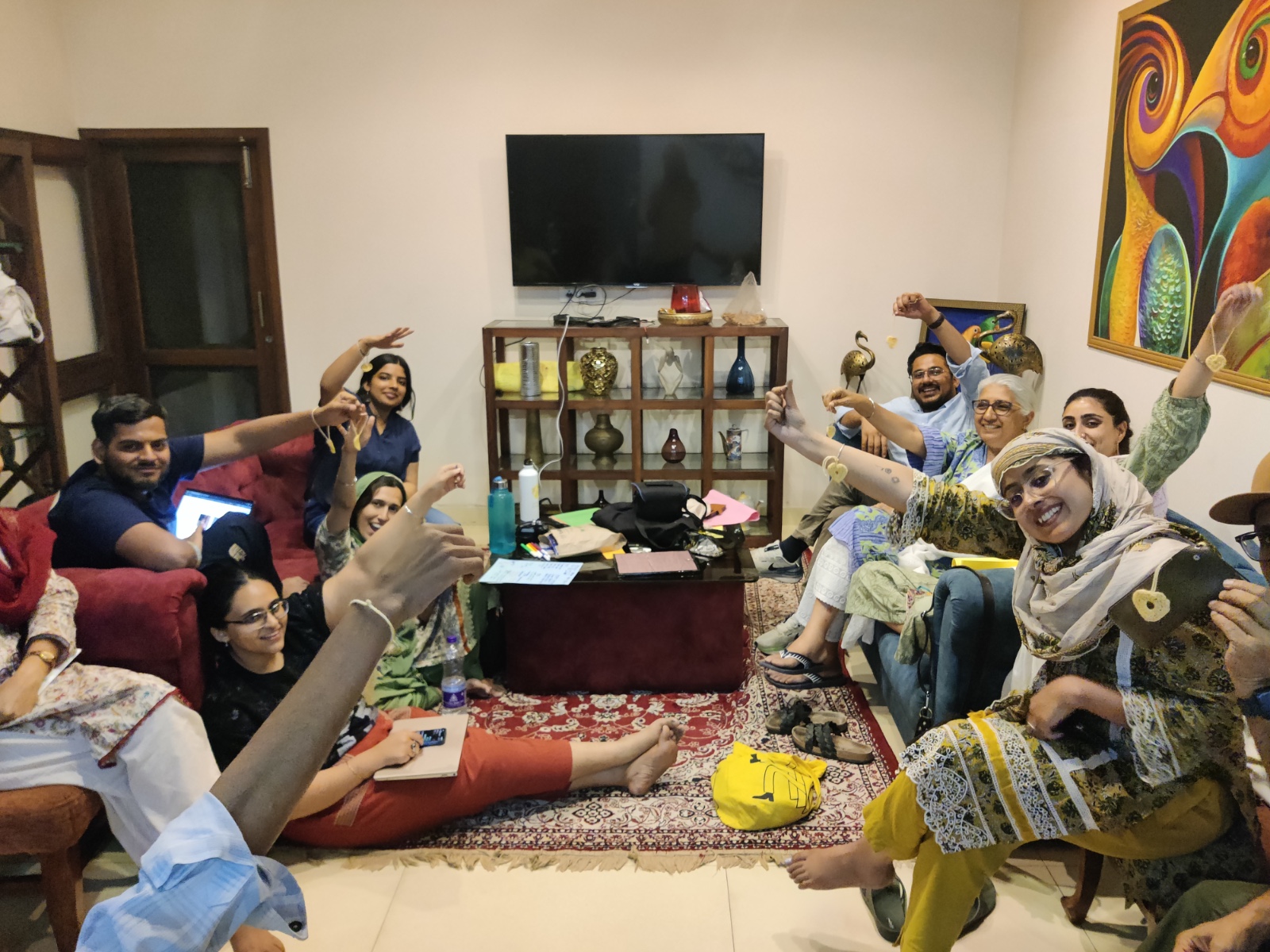
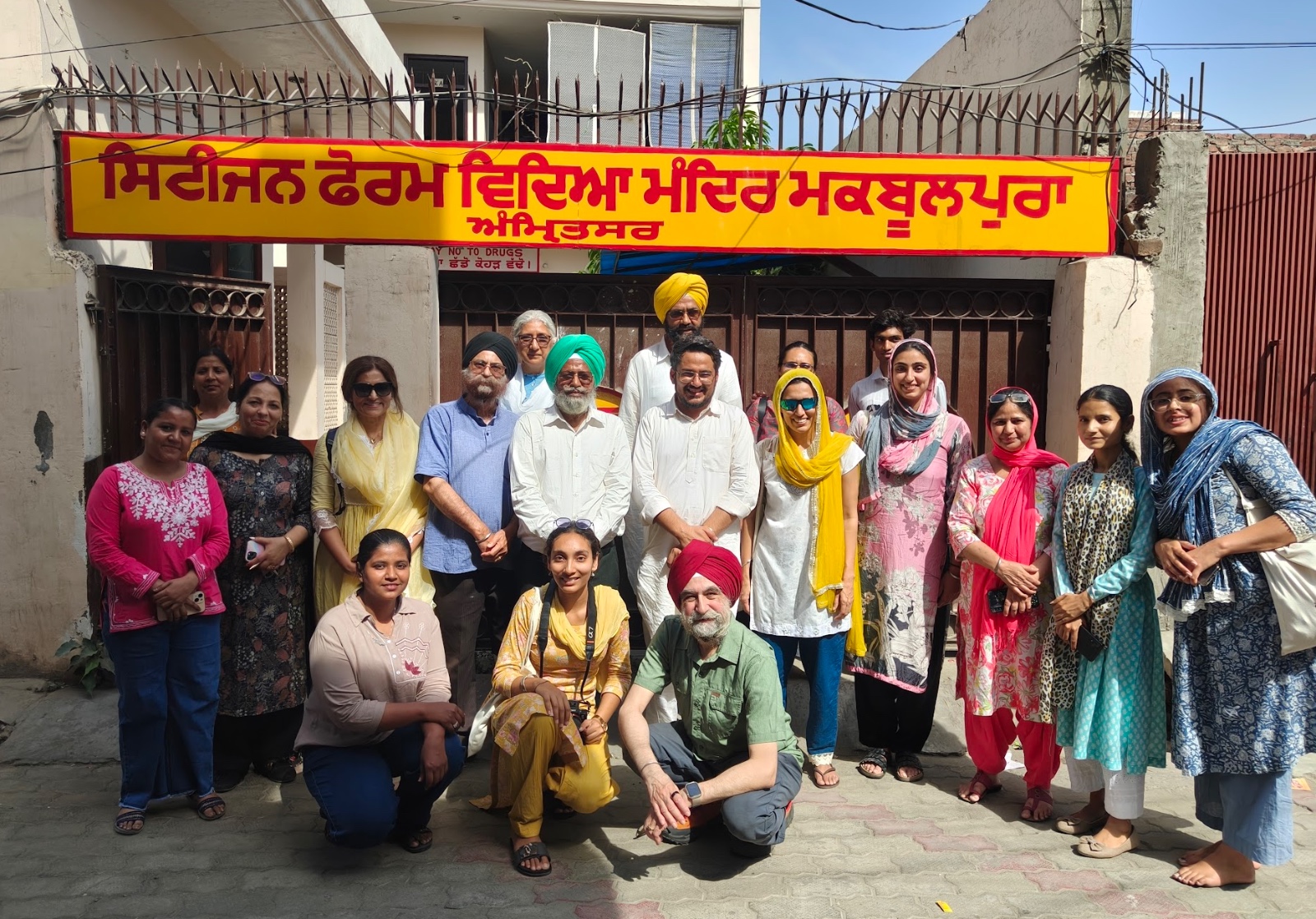
They expressed themselves in reflection circles which held space for their stillness, vulnerability and observations. During the Yatra, they performed ‘Kirrt’ by lending hand in daily chores at their places of residence during the Yatra. Through Dr. Inderjit Kaur from Pingalwara, they learnt that true spirituality lies in the ‘sewa’ of the abandoned and the weak. The yatris ideated in groups to connect the dots between complex systems and lived realities on ground. By participating in unconventional learning dialogues with the students of Punjab, they heard about dreams for their homeland. They participated in village panchayats to learn about Punjab from the soil that breathes life into it.
Kirrt Yatra was never meant to end after these 15 days. Here is what the yatris are already building:
- Helping a local school with process automation and supporting a cooperative in integrating AI into their operations.
- Connecting a farmer they met on the Yatra to new markets and extending a formal job offer to his daughter.
- Choosing to live and work in Punjab, focusing on sustainable farming and mentoring young entrepreneurs.
The Yatra ends. The work begins.
The next cohort of Kirrt Yatra is coming in October. If you or someone you know wants to walk with us, kindly express your interest below.
Walk with us in October




.jpg&w=3840&q=75)

.png&w=3840&q=75)