Today, we share the journey of Karanpreet* Singh, whom Sikh Family Center worked with as he moved from feeling trapped in dark thoughts during a difficult time to feeling confident in his ability to keep himself and his family safe.
Saver Hovegi (Morning Will Come), challenges a common misconception that everyone who experiences suicidal thoughts or attempts suicide has a mental illness. In fact, life stressors such as domestic violence, grief, trauma, child sexual abuse, chronic illness, and legal problems can also increase the risk of self harm or suicide.
*name anonymized
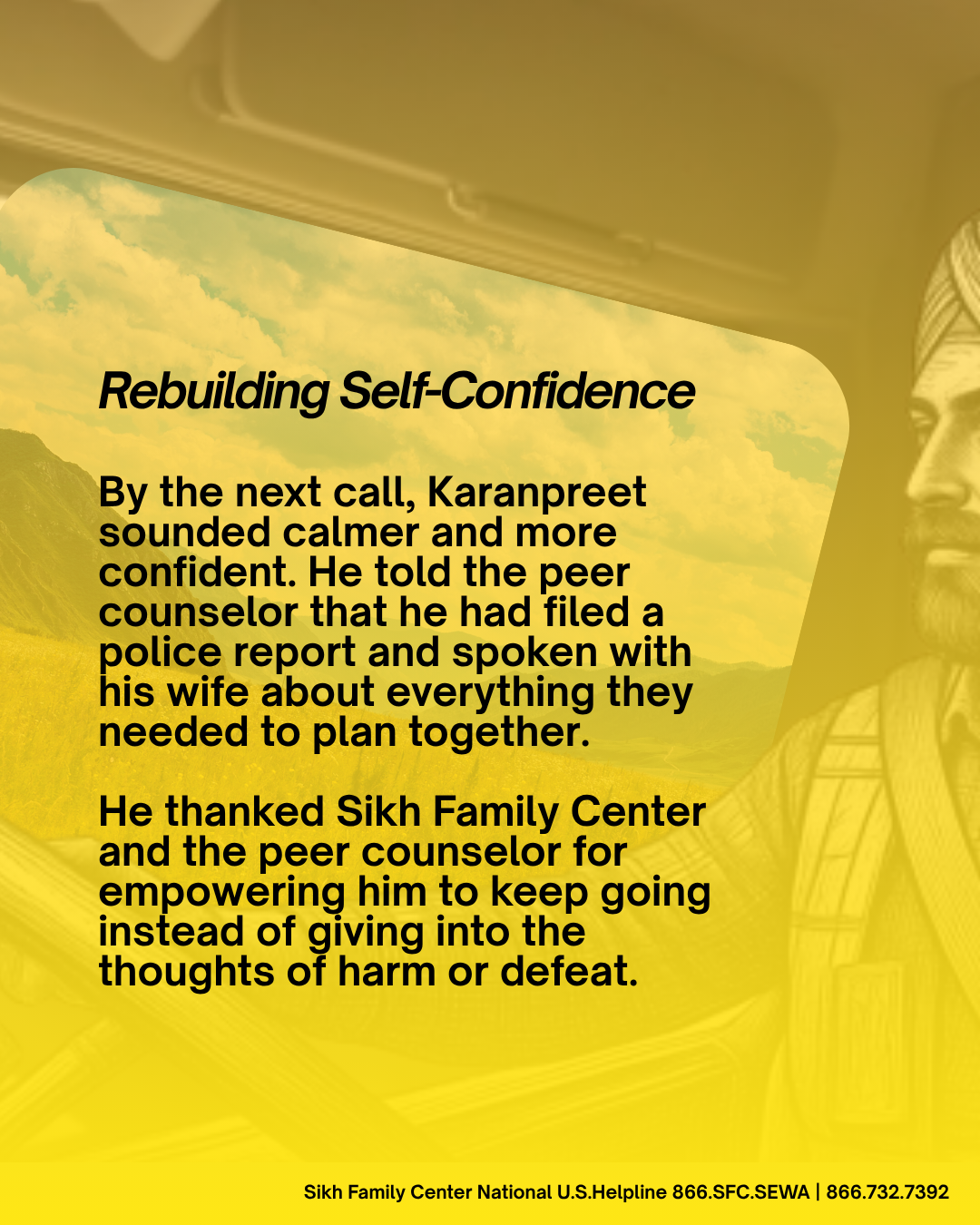
If you or someone you love experience thoughts of self harm or suicide, you are not alone. Resources are available including 24/7 crisis lines to talk to trained professionals and access appropriate supportive services.
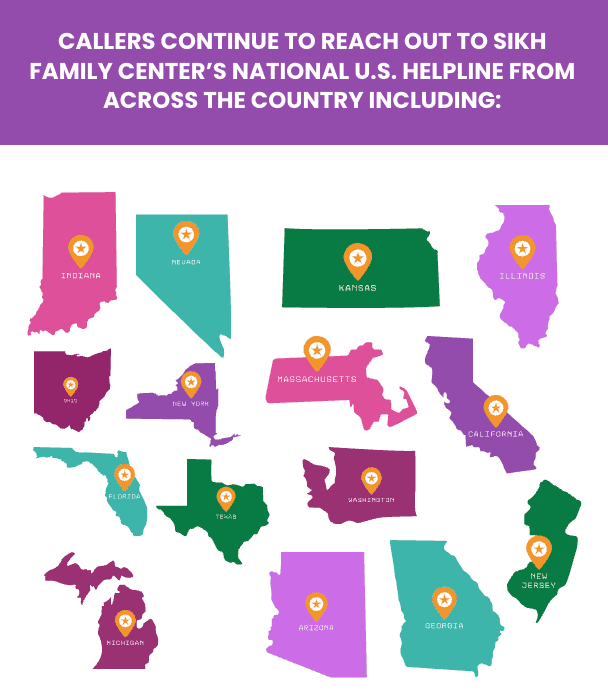
Here's a look at some of the community needs Sikh Family Center has responded to recently on our Helpline:
* A caller reached out to learn about how to stay safe in the home as her husband owned multiple guns and exhibited controlling behaviors. Together with our trained peer counselor, she developed a safety plan that addressed the safe storage of firearms as well as possible firearm removal and storage away from the home. She also learned that firearms may be removed through protection orders, if needed.
* A worried mother reached out seeking support for her adult child. As she spoke with our trained peer counselor, it was clear how much the situation was affecting the whole family. While connecting her with resources for her adult child, the peer counselor also offered support for the mother and other family members, recognizing the reality that when one family member is struggling, it impacts the health of the entire family.
* After leaving her abusive husband, a survivor, reached out to Sikh Family Center’s helpline requesting guidance on how to replace important personal documents stolen by her perpetrator without compromising the confidentiality of her current address. Our peer counselor shared accurate information about the process and connected the survivor with the appropriate organization that could assist her with the paperwork, while prioritizing her physical safety and well-being.
* Early signs of jealousy, ignored as romantic behavior by the survivor during their engagement, later transformed into a pattern of excessive suspicion and surveillance, including monitoring of her social media accounts. These behaviors left her isolated and emotionally dependent on the perpetrator — a vulnerability that he exploited throughout their marriage. Together with our peer counselor, the survivor unpacked the intentional tactics of control and isolation justified through jealousy and possessiveness, while co-creating a plan to seek mental health services and reconnect with trusted family and friends to rebuild her network of support.
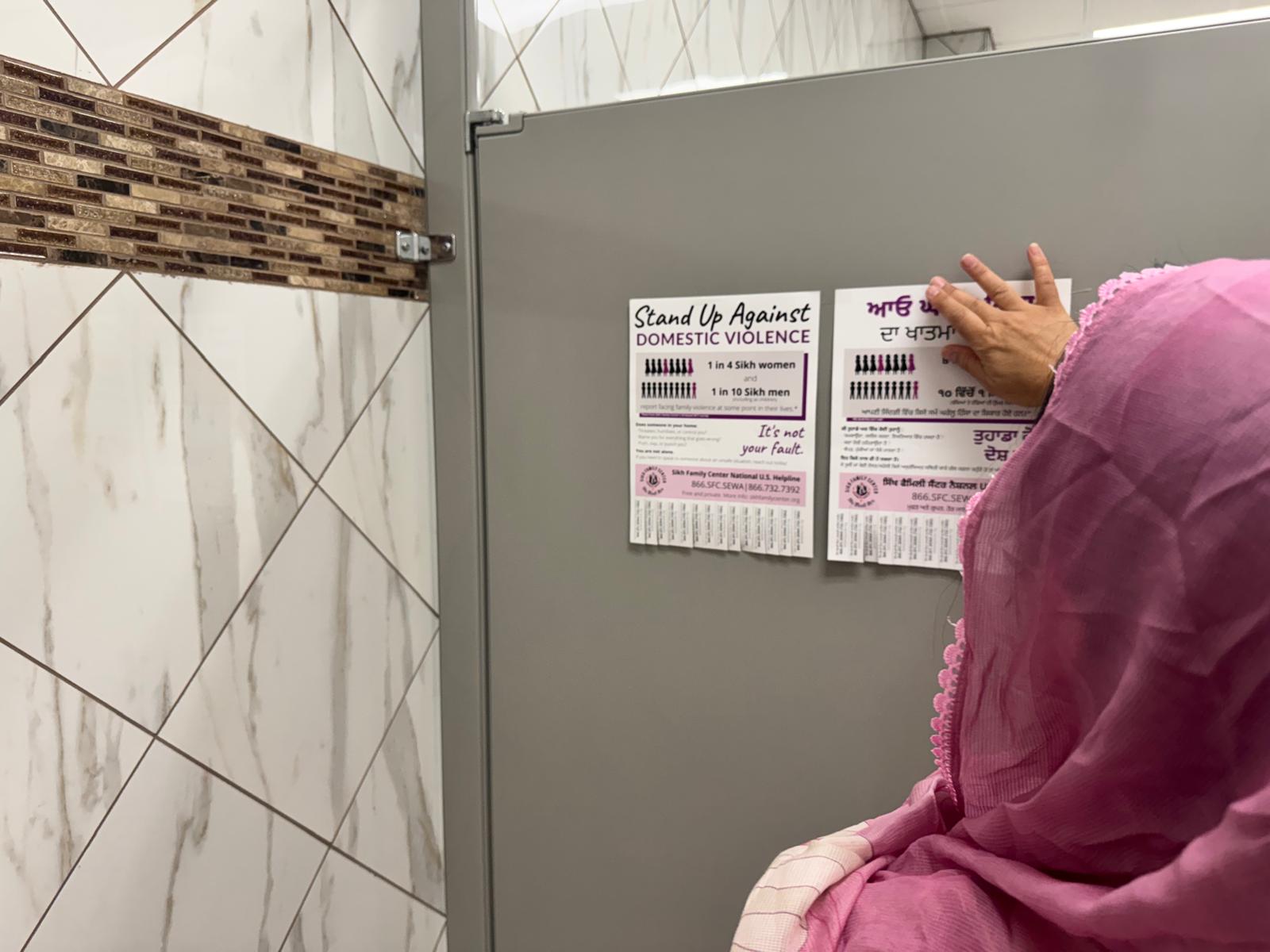
Your generous donations continue to provide immediate support, safety, and options when they’re needed most.


.png&w=3840&q=75)