Dear Supporter,
Vaheguru ji ka Khalsa, Vaheguru ji ki Fateh!
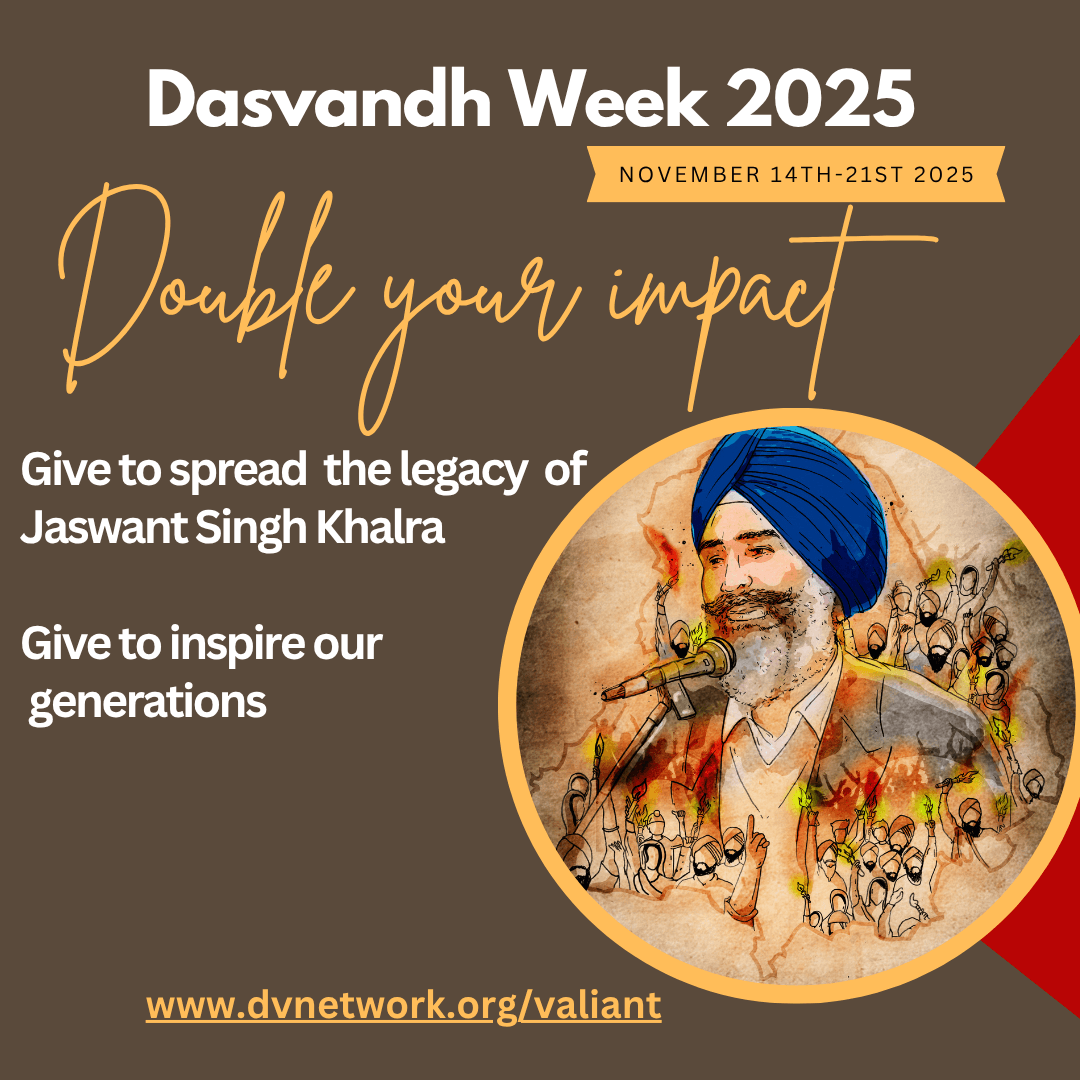
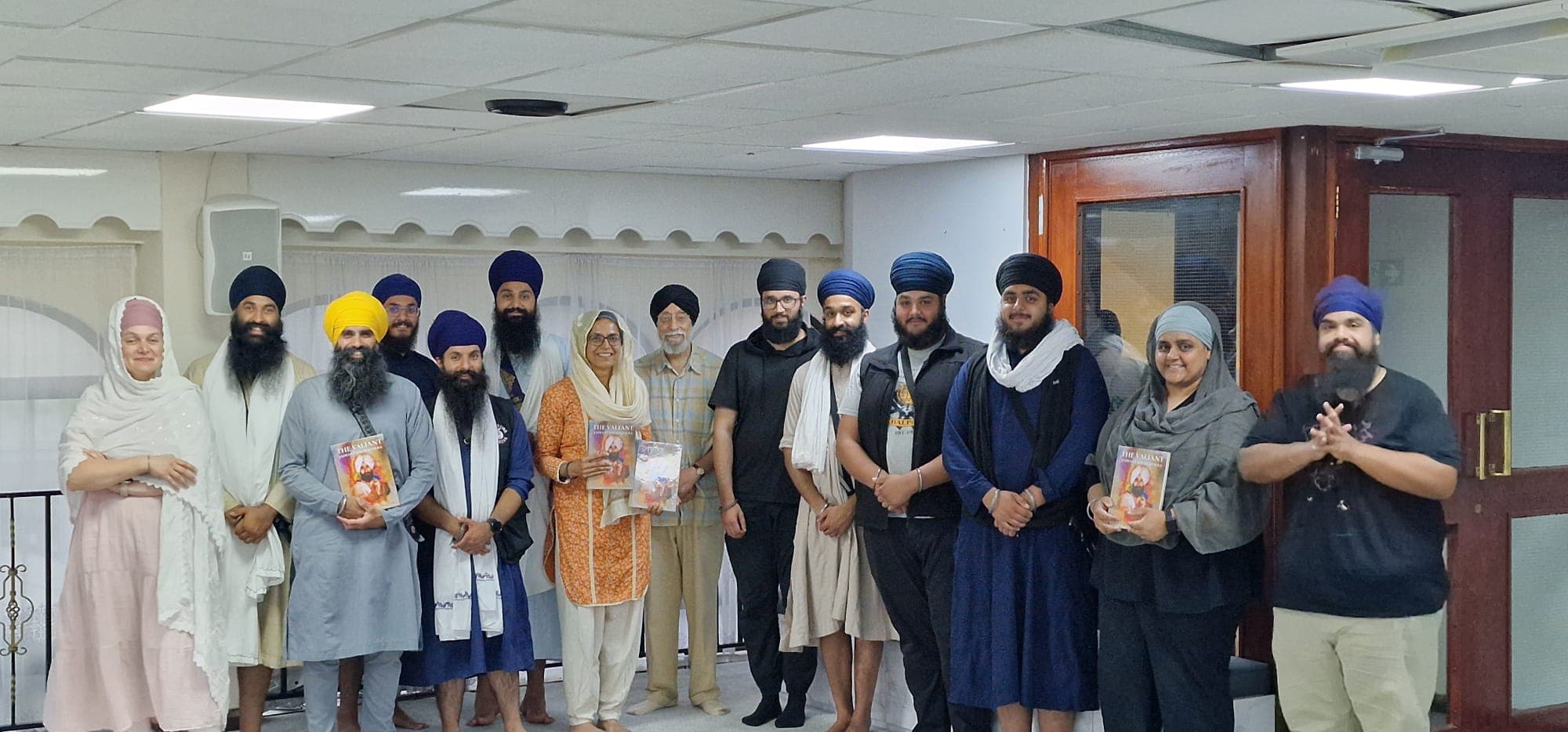
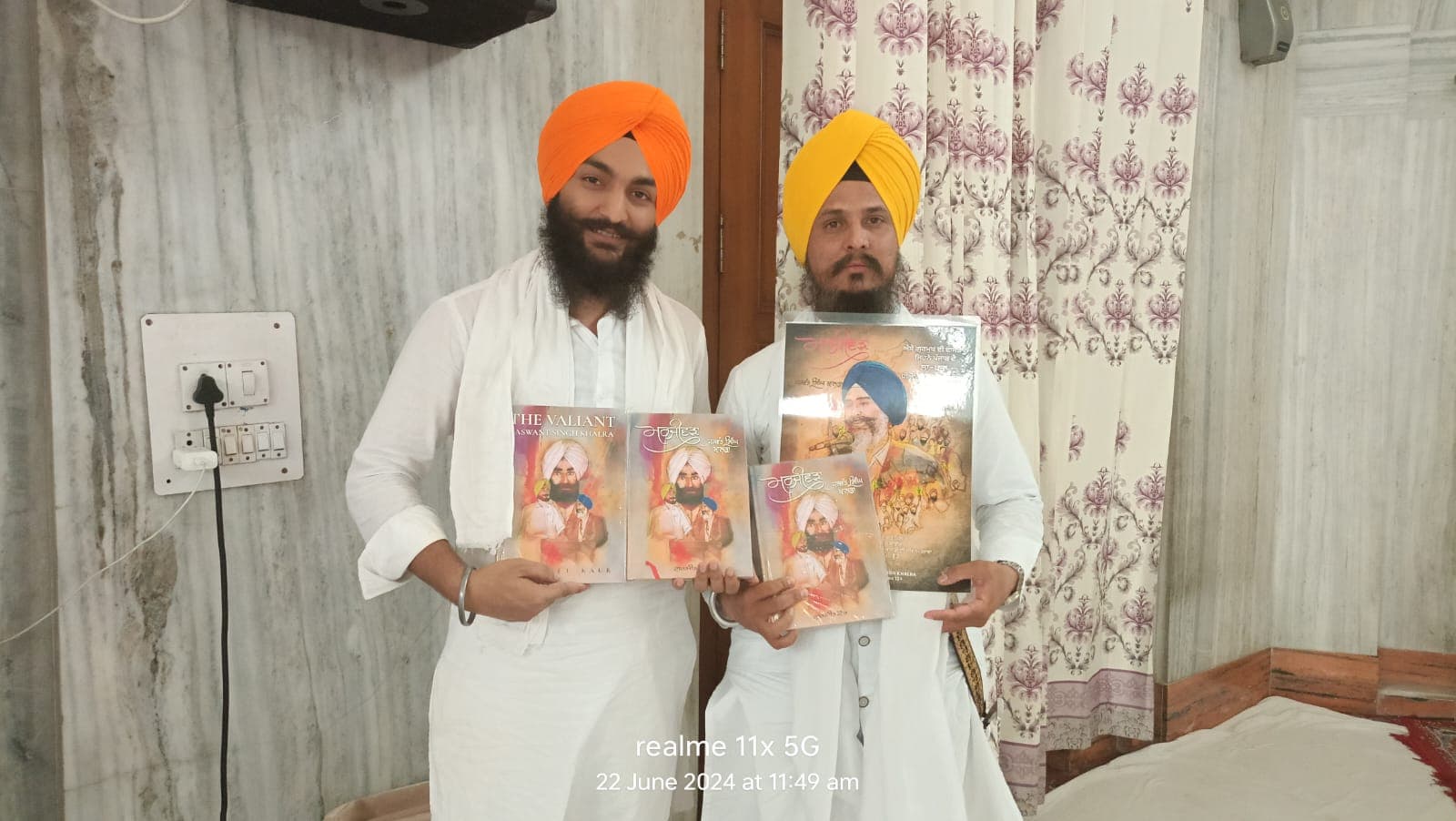
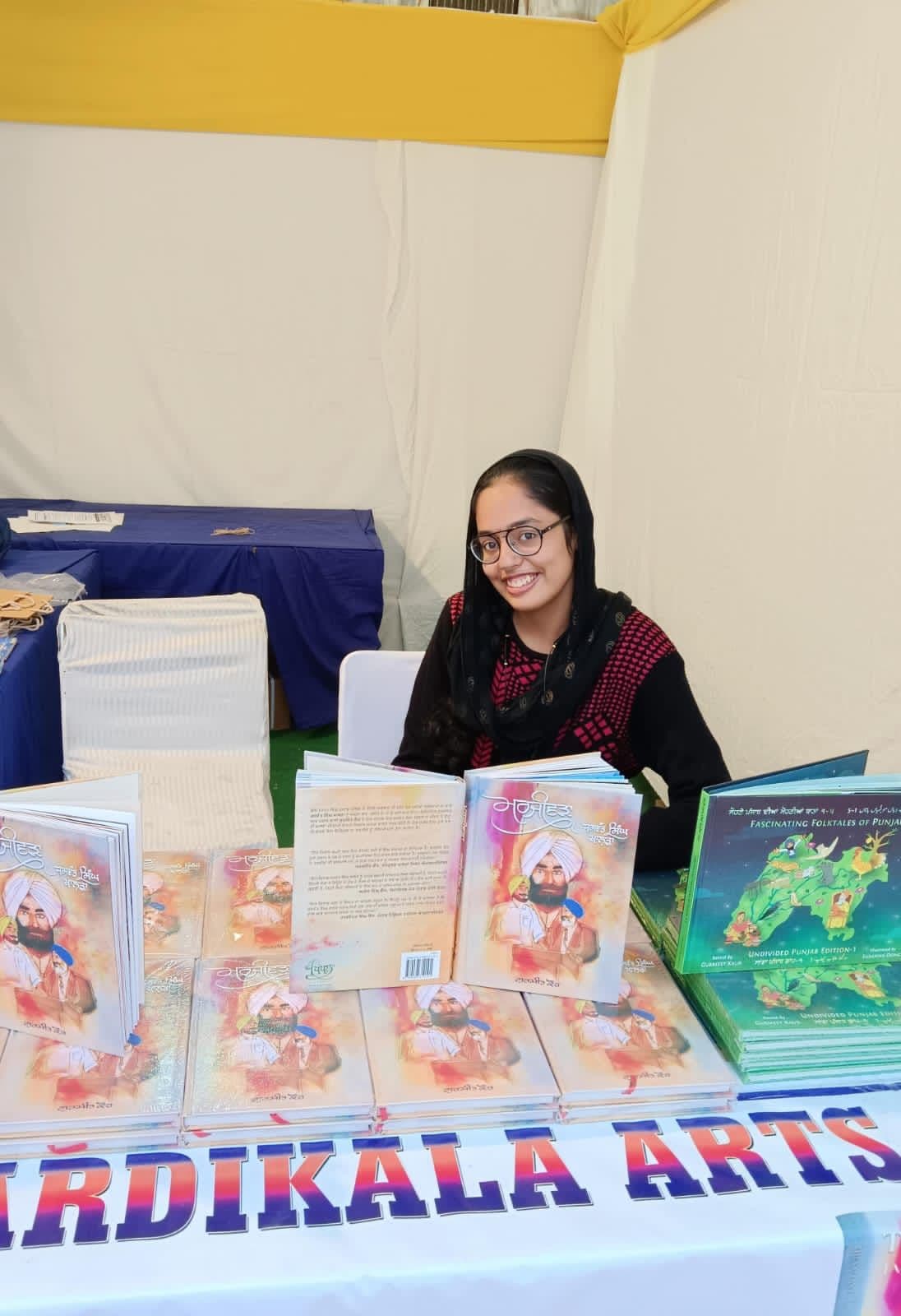
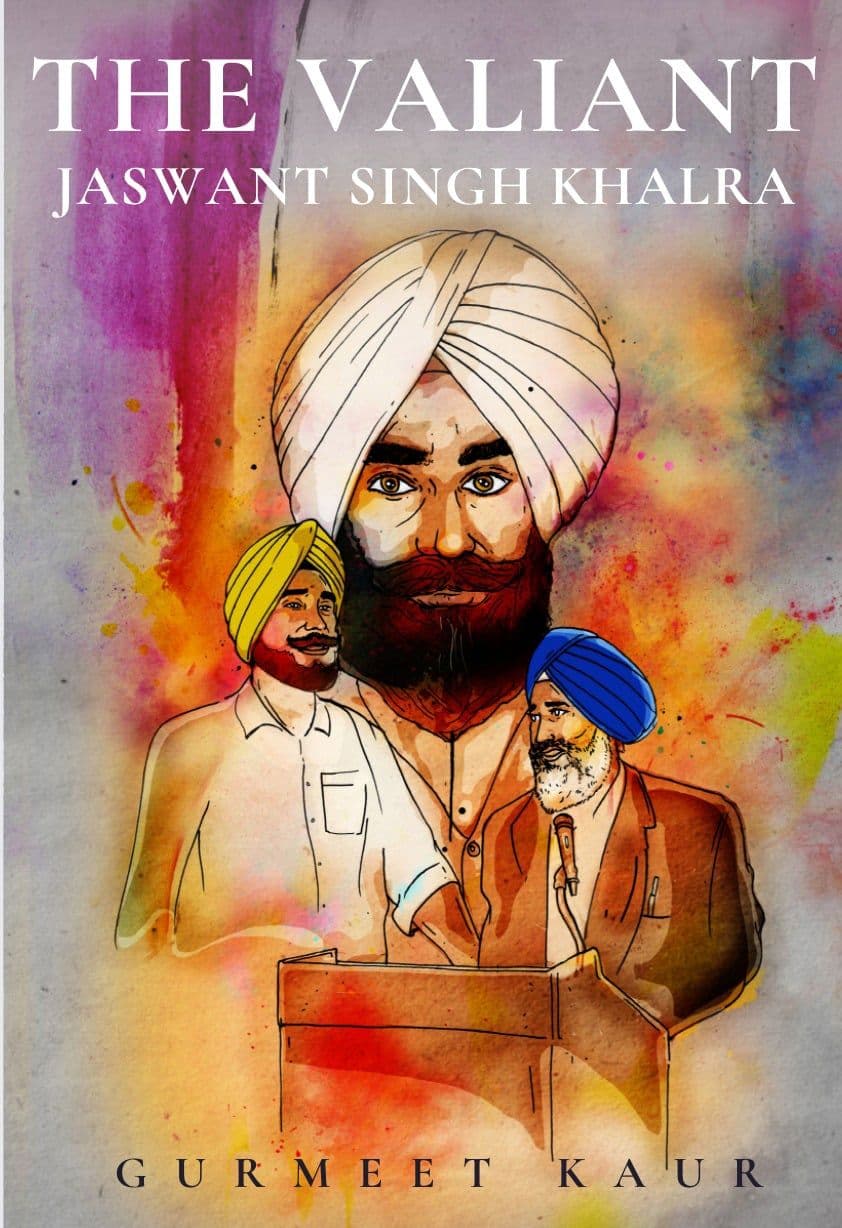
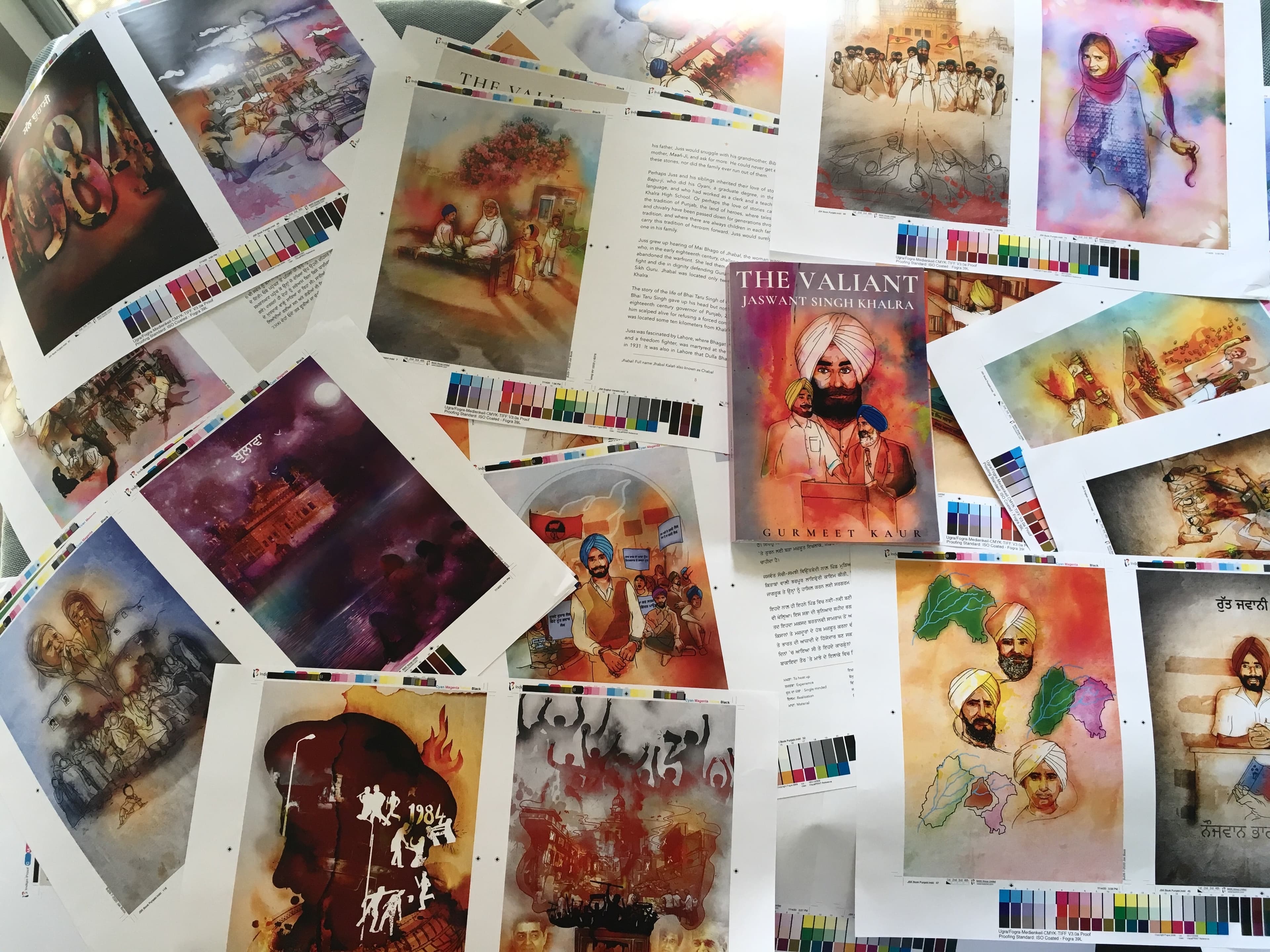
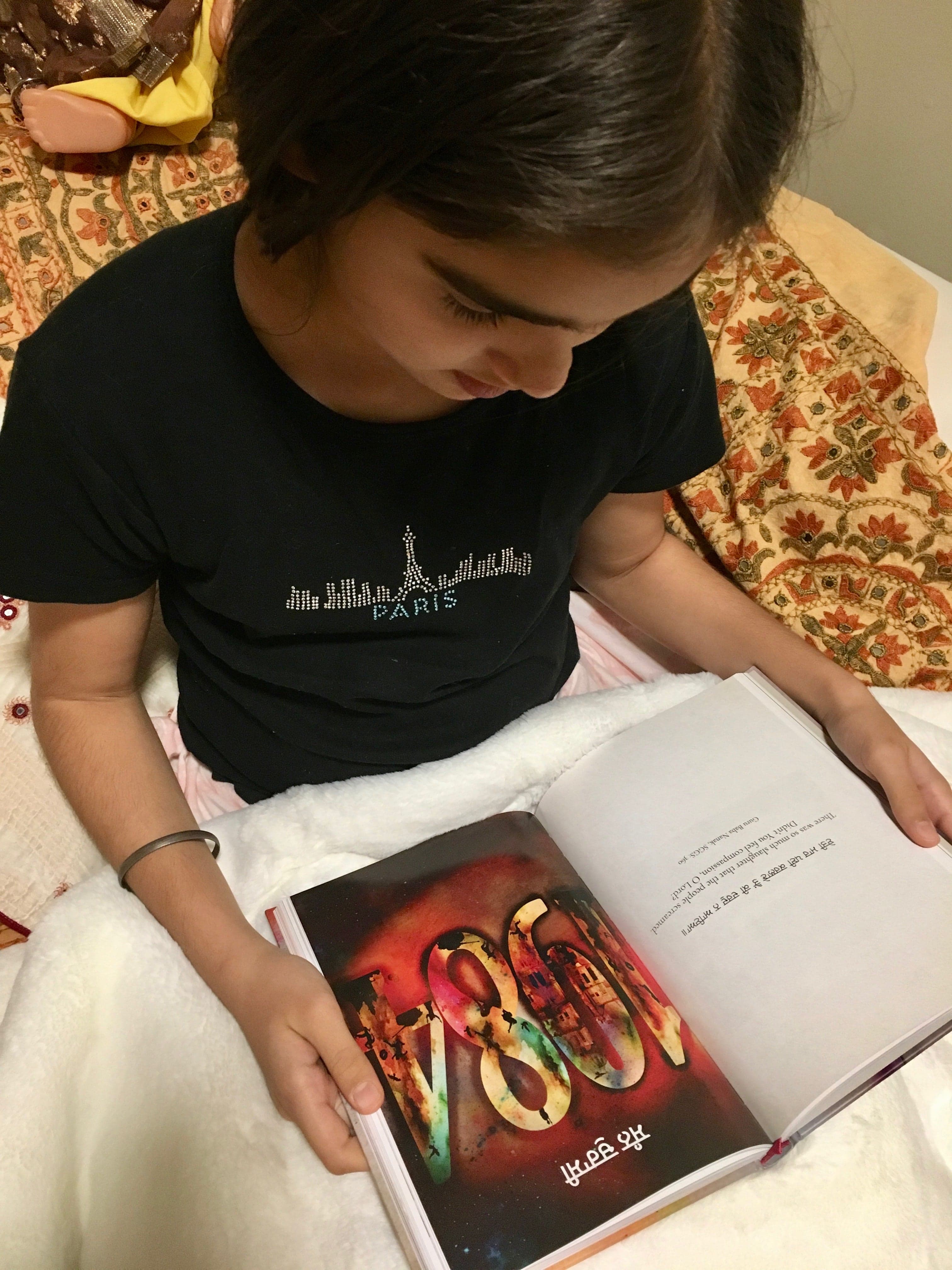
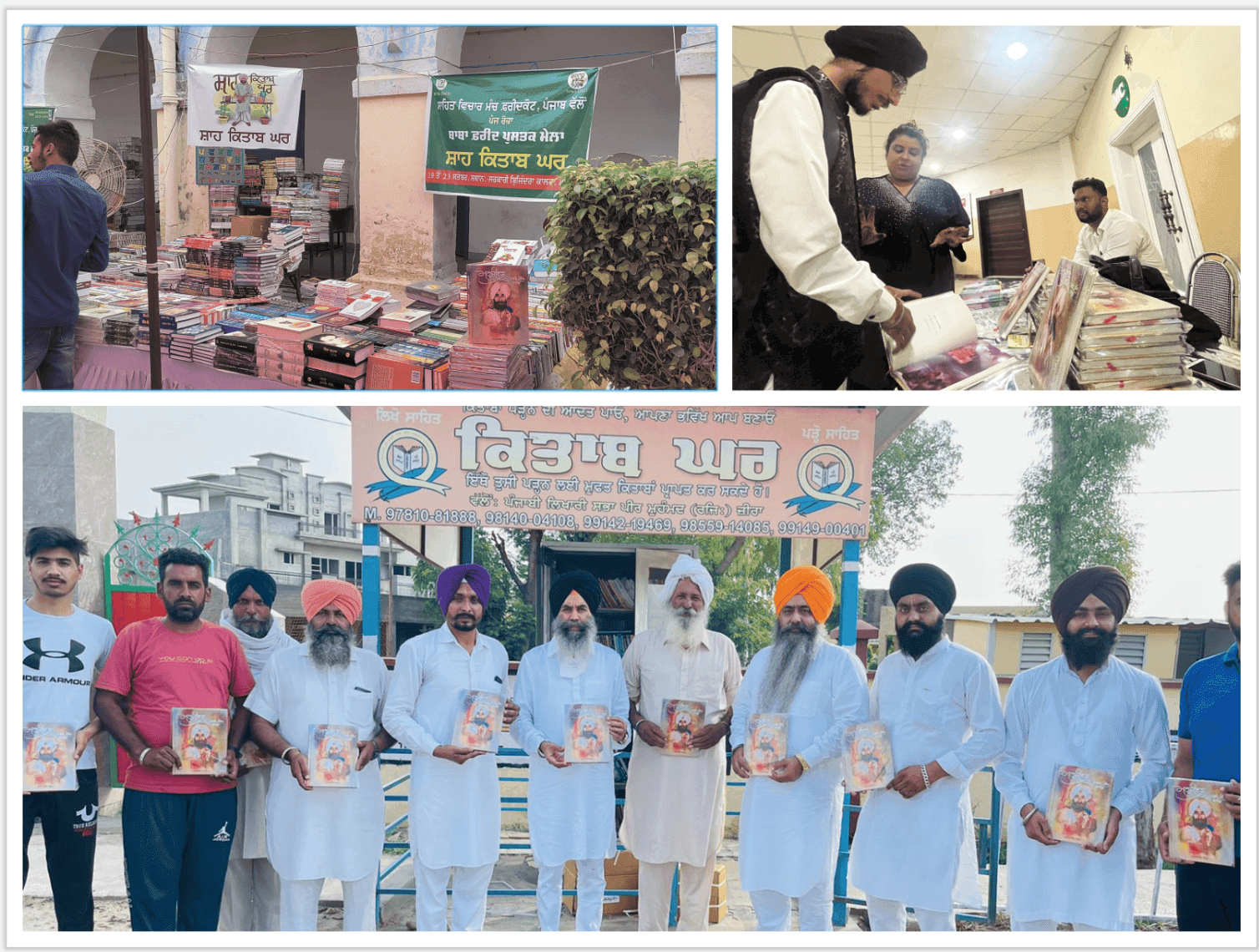
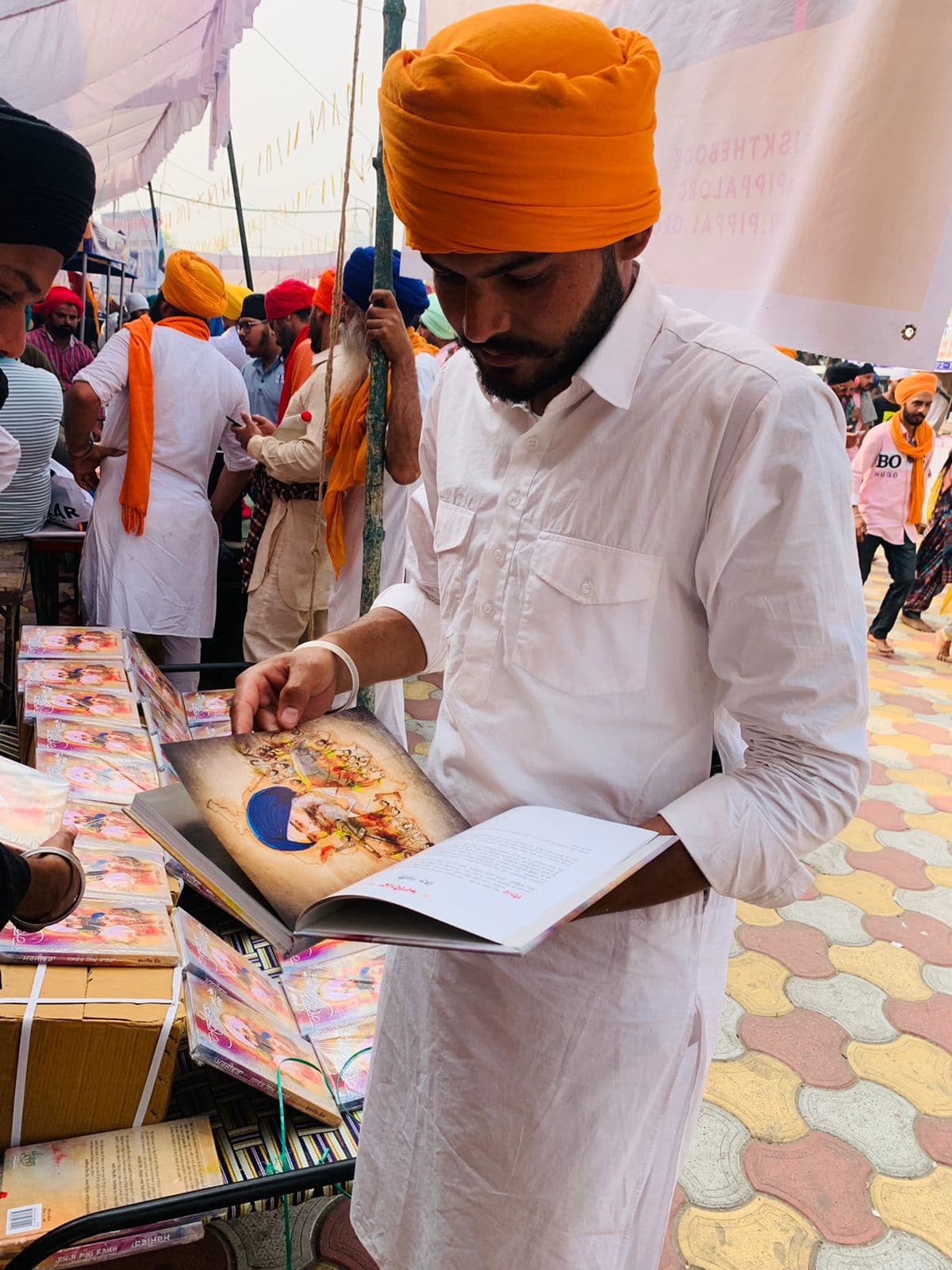
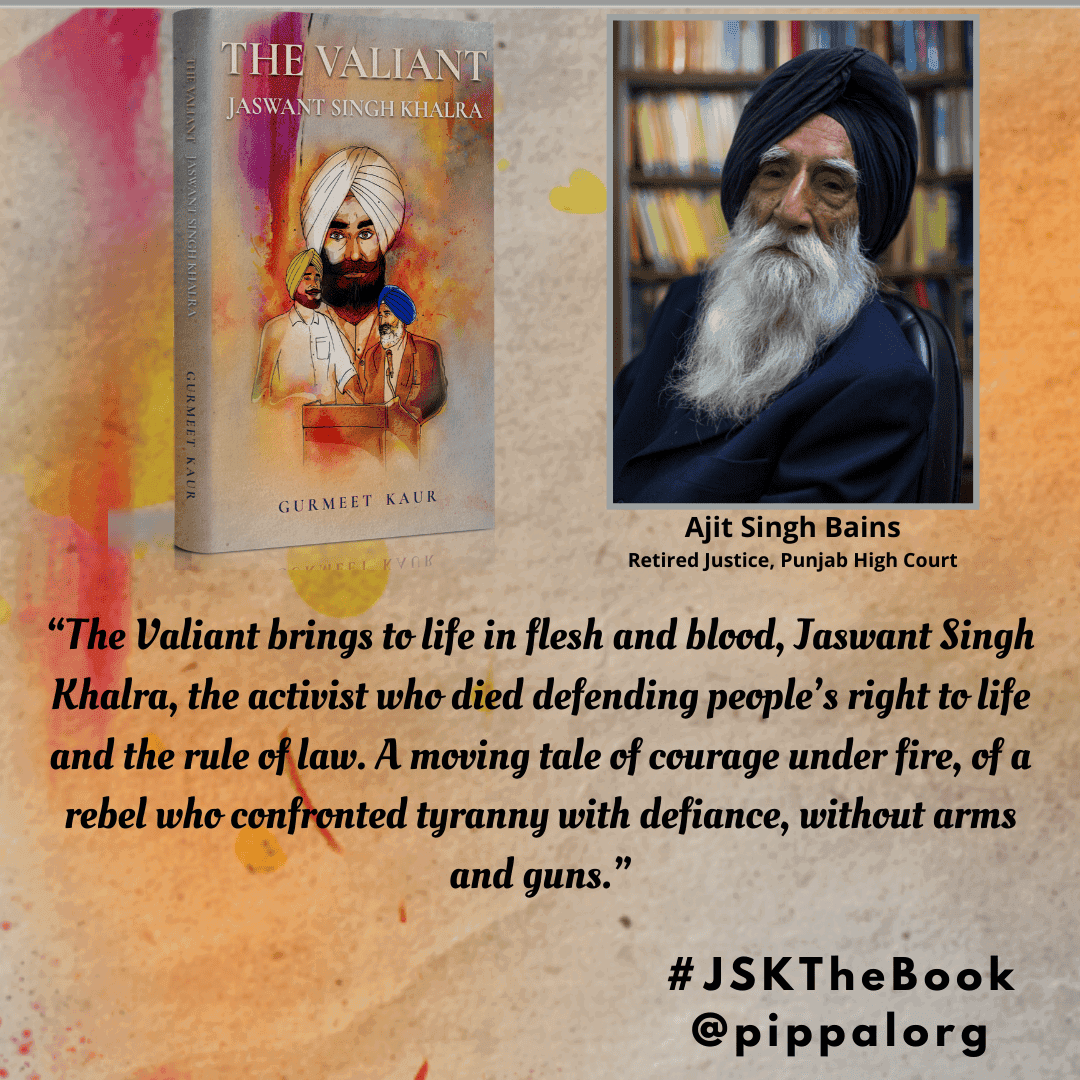
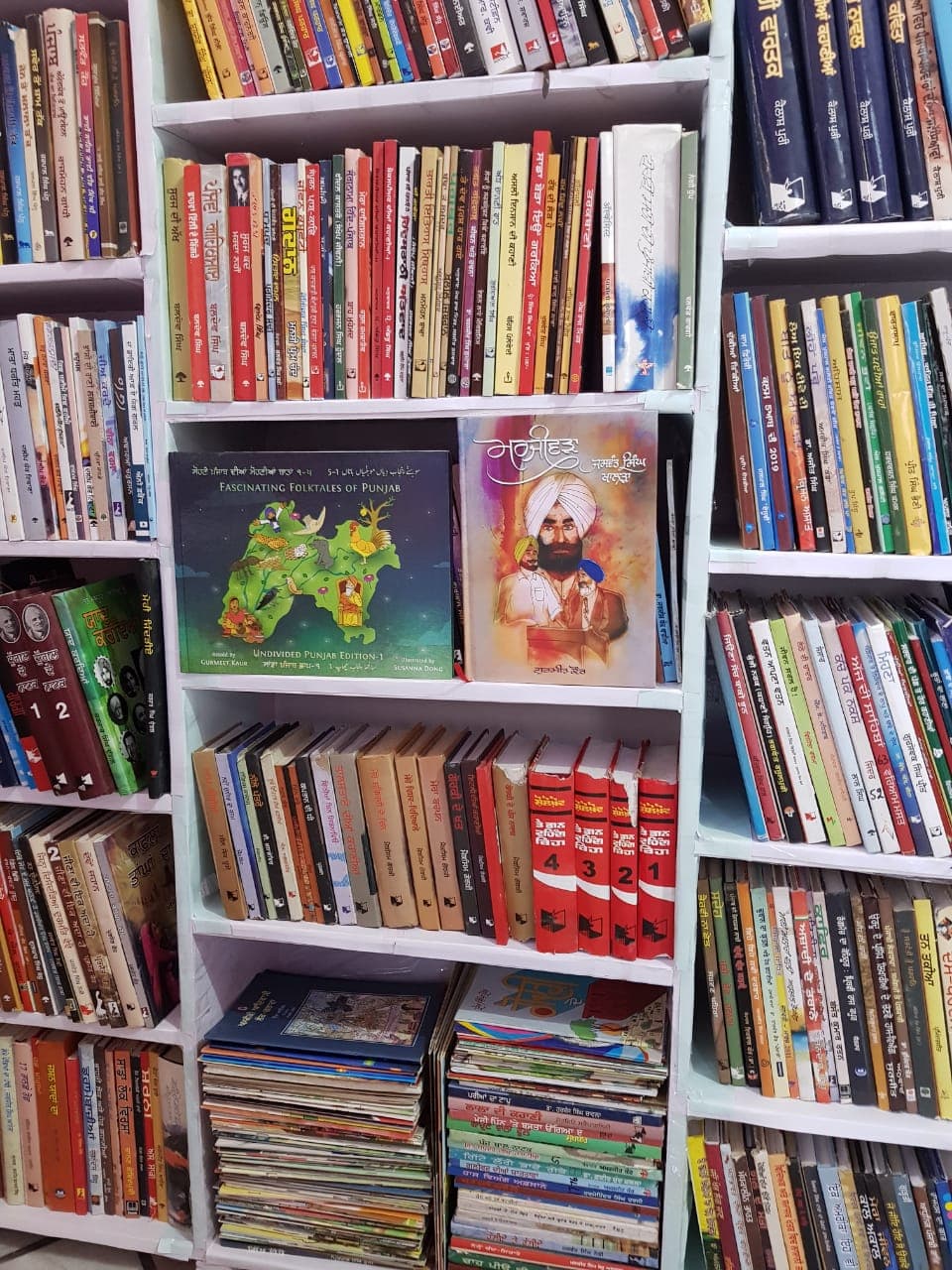
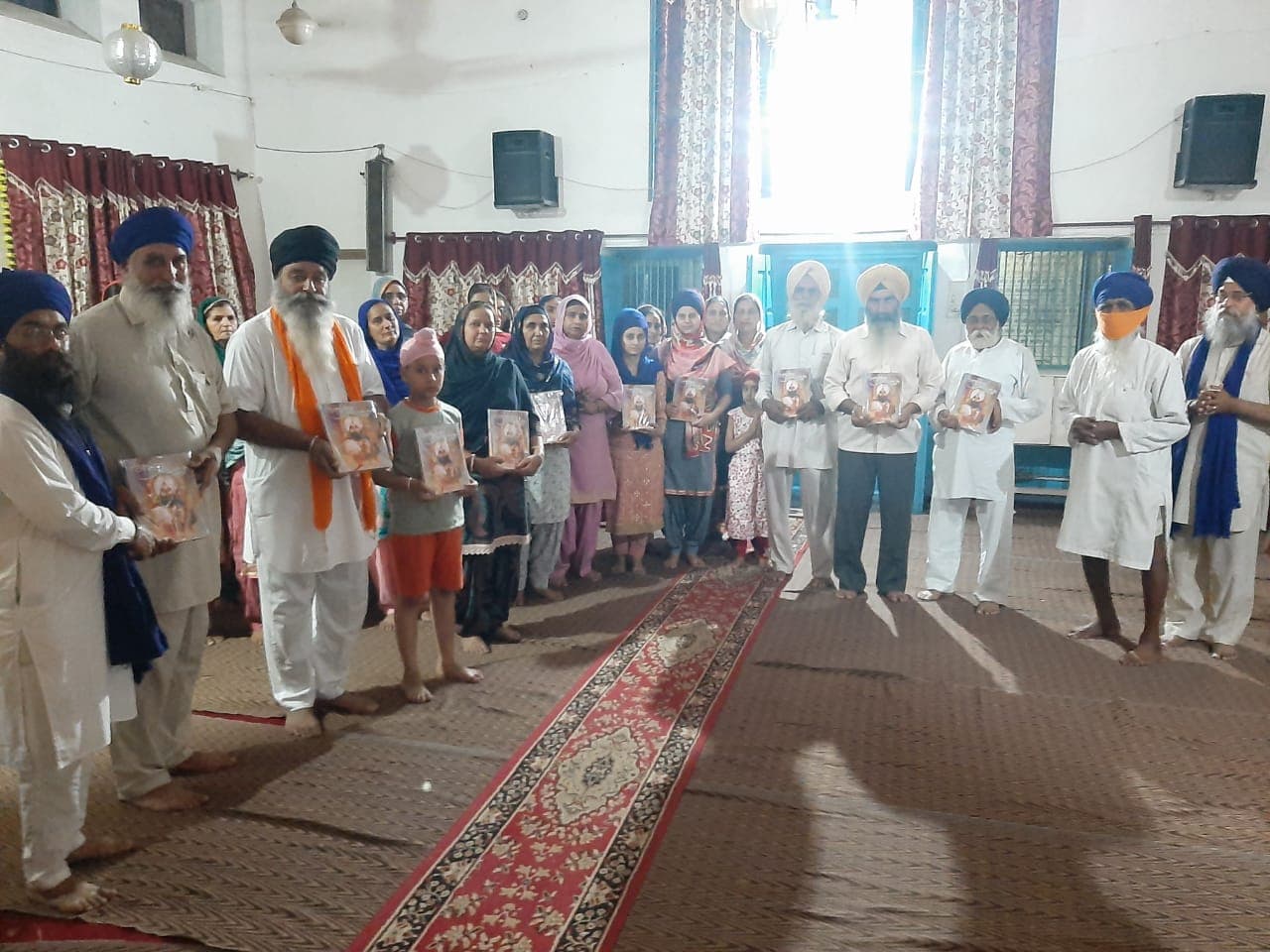
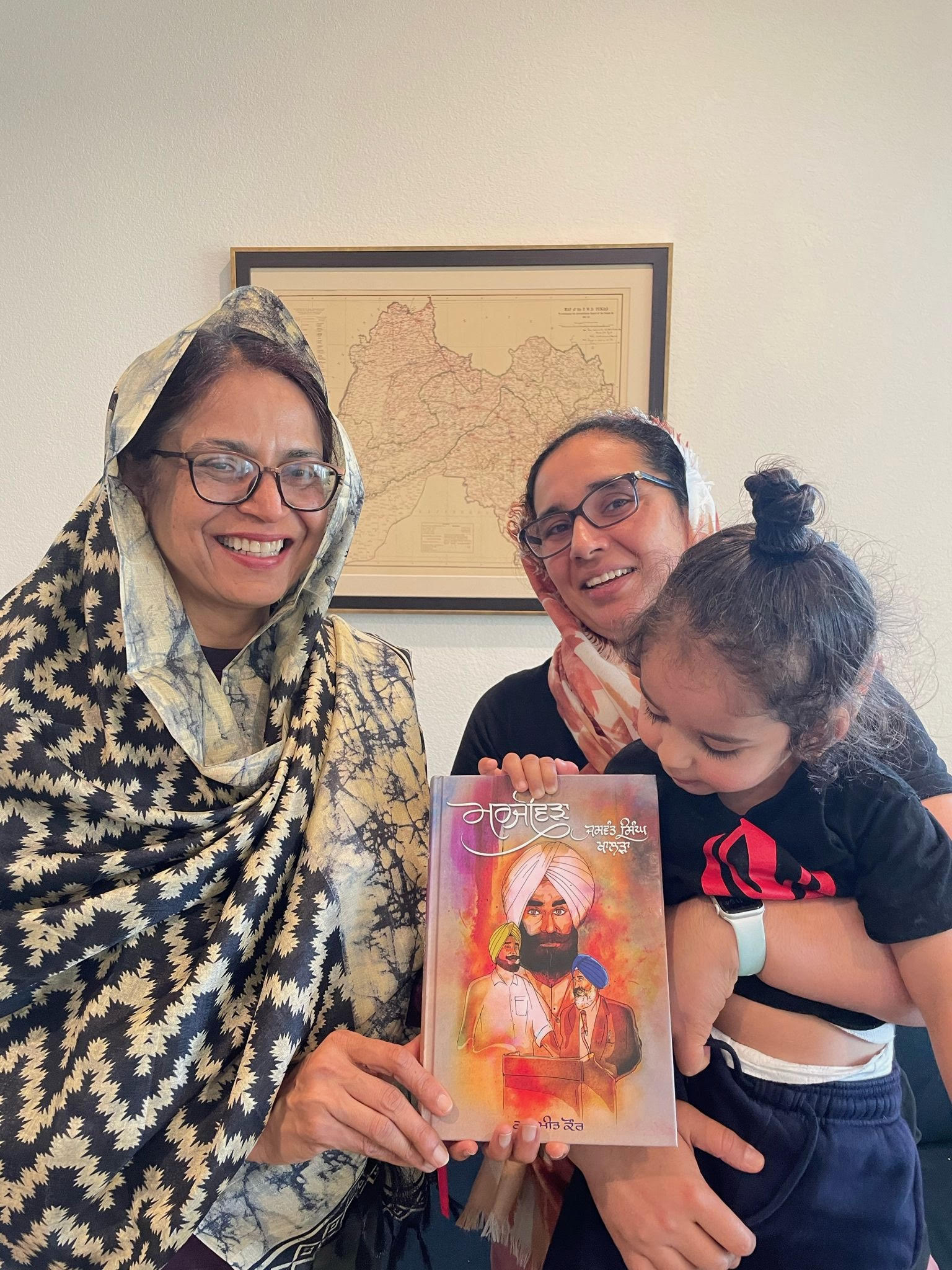
I am sharing my thoughts on the 30th anniversary of the disappearnce of Jaswant Singh Khalra Ji and the 5th anniversary of our book. As we work dilligently on the second edition of the book, I hope you will keep your support coming (and inspire your loved ones too) so we are able to continue our mission of educating and empowering our youth.
***
When memory is erased, justice dies twice.
In 2019, Bibi Paramjit Kaur Khalra ran in the Punjab Lok Sabha elections from Khadur Sahib. We in the diaspora were thrilled—Bibi Ji was the change Punjab needed. We launched social media campaigns, messaged friends and family in Punjab urging them to support her.
Then, one day, a friend called me—shaken.
“Most people I called in Punjab don’t even know who she is,” she said.
When she explained, “She’s Jaswant Singh Khalra’s wife,”
the response was worse:
“Who’s Jaswant Singh?”
We were stunned.
I called a few youth in Tarn Taran myself.
Same reaction.
Here in the diaspora, we’ve commemorated Khalra Sahib’s disappearance day for as long as I can remember.
And yet—only two decades later—Punjab was forgetting him.
If Jaswant Singh Khalra can be forgotten…
Will 1984 be next?
Is this not just a genocide, but a memory-cide too?
My friend asked me to write an article about him.
“I already have a draft,” she said.
At the time, I was working on Book 9 of Fascinating Folktales of Punjab—a joyful, creative space. Writing about Khalra Sahib, about Punjab in the 90s, was stepping into pain.
I read her draft. I tried editing it. But the more I read, the more uneasy I became.
How could two pages ever contain someone like Jaswant Singh Khalra?
He wasn’t just one man.
He was the face of 25,000 disappeared.
He was every mother still waiting for word of her child.
Without the context of Punjab’s history, his story would be lost.
So I called her back.
“I can’t write an article,” I said.
“He deserves a book.”
“You should write it,” she replied.
“I don’t write history,” I said.
“I write happy books for children. My plate’s already full.”
She didn’t give up.
“But kids love your stories. Don’t they deserve to know their heroes too?”
“Talk to Navkiran Kaur. Just talk to her. If you say no after that, I’ll understand.”
So I did.
I spoke with Navkiran Kaur, Khalra Sahib’s daughter.
“Are there really no books on your father?” I asked.
“Why isn’t there a museum in his name? Why would you be okay with a children’s author writing this?”
Her answers pierced through me.
At the end of that call, I knew one thing:
When the Guru gives you a gift in the form of seva—you don’t say no.
Right then and there, I asked Navkiran to block time for interviews.
We wouldn’t make it in time for elections,
but the 25th anniversary of his disappearance was just 18 months away.
We had a mountain to climb.
We did ardaas and began.
I locked away my other work and dove into another world.
I am a survivor of the November 1984 Sikh Genocide.
My family lost cousins, an uncle—tortured and burnt alive.
I watched Delhi burn, then Punjab, until I moved to the U.S. in 1991.
That’s where I met other survivors online.
It was there that I first heard the name Jaswant Singh Khalra.
He lived inside my heart ever since.
As a child, I had questions no one could answer.
As a young adult, I often wondered:
Why wasn’t there one book that explained it all?
One book for us, for the next generation?
Now, as a parent, I know:
If we don’t tell our stories, no one else will.
Dr. Gregory Stanton, founder of Genocide Watch, outlines 10 stages of genocide.
The final stage is: denial.
And denial is everywhere.
Graves are dug up. Evidence destroyed.
Victims are blamed.
Genocide is disguised as “riots,” “ethnic cleansing,” or “counter-insurgency.”
Investigations are blocked. Courts stall.
And the world demands “proof beyond a reasonable doubt,”
when prevention only requires the courage to act.
Every one of Stanton’s warnings fits the Sikh Genocide.
If we don’t preserve the truth,
denial becomes state policy.
Inspired by our hero, Jaswant Singh Khalra,
I chose not just to mourn—
but to act.
This is what he did.
This is what he asked of us.
Guru Ang Sang,
Gurmeet Kaur
info@pippal.org
www.dvnetwork.org/valiant