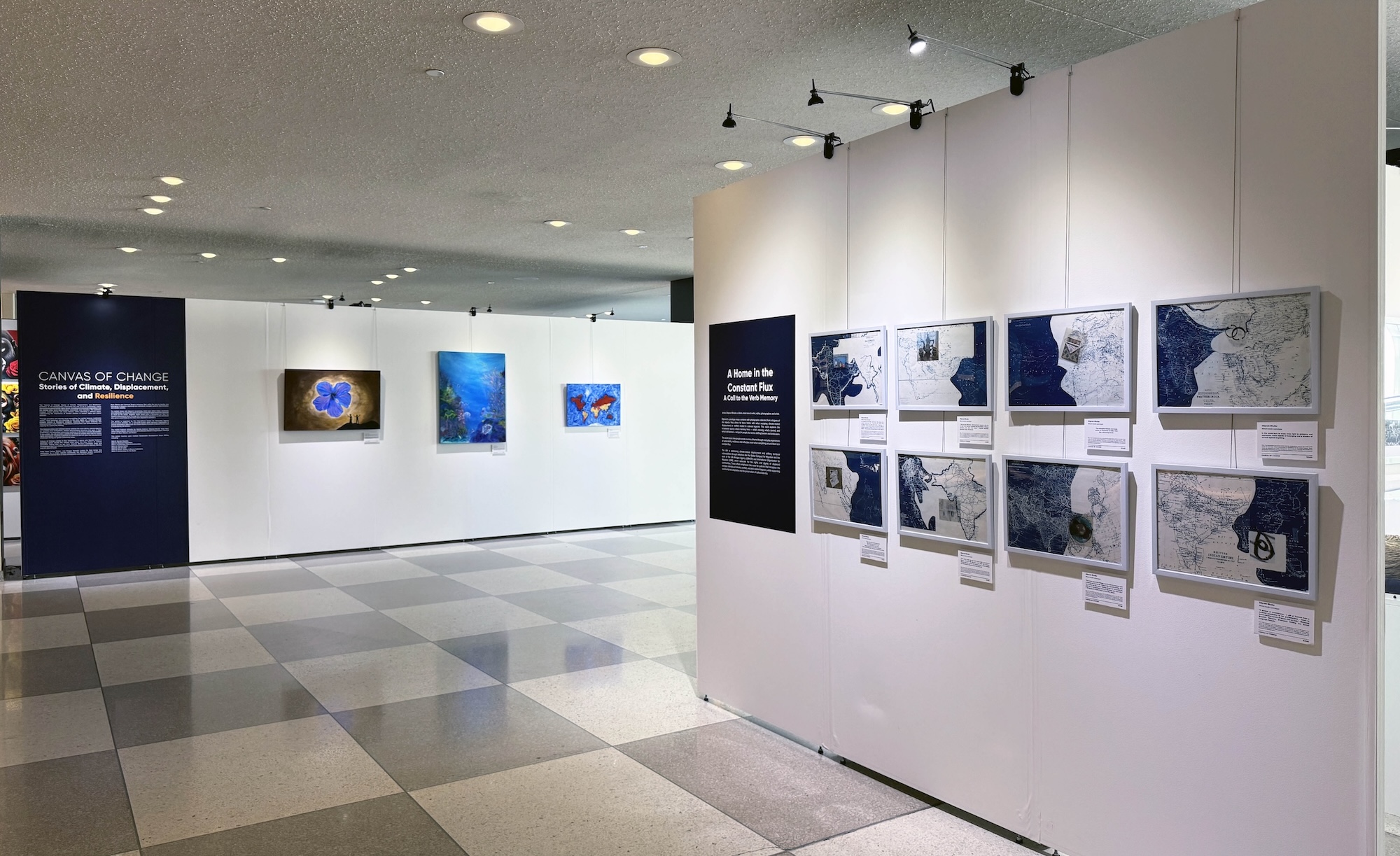
 ICAAD Opens "Canvas of Change" at the United Nations
Endorsed by UN Women, the exhibition runs June 5 through July 10 and features artist talks with Namita Kulkarni and Vishavjit Singh
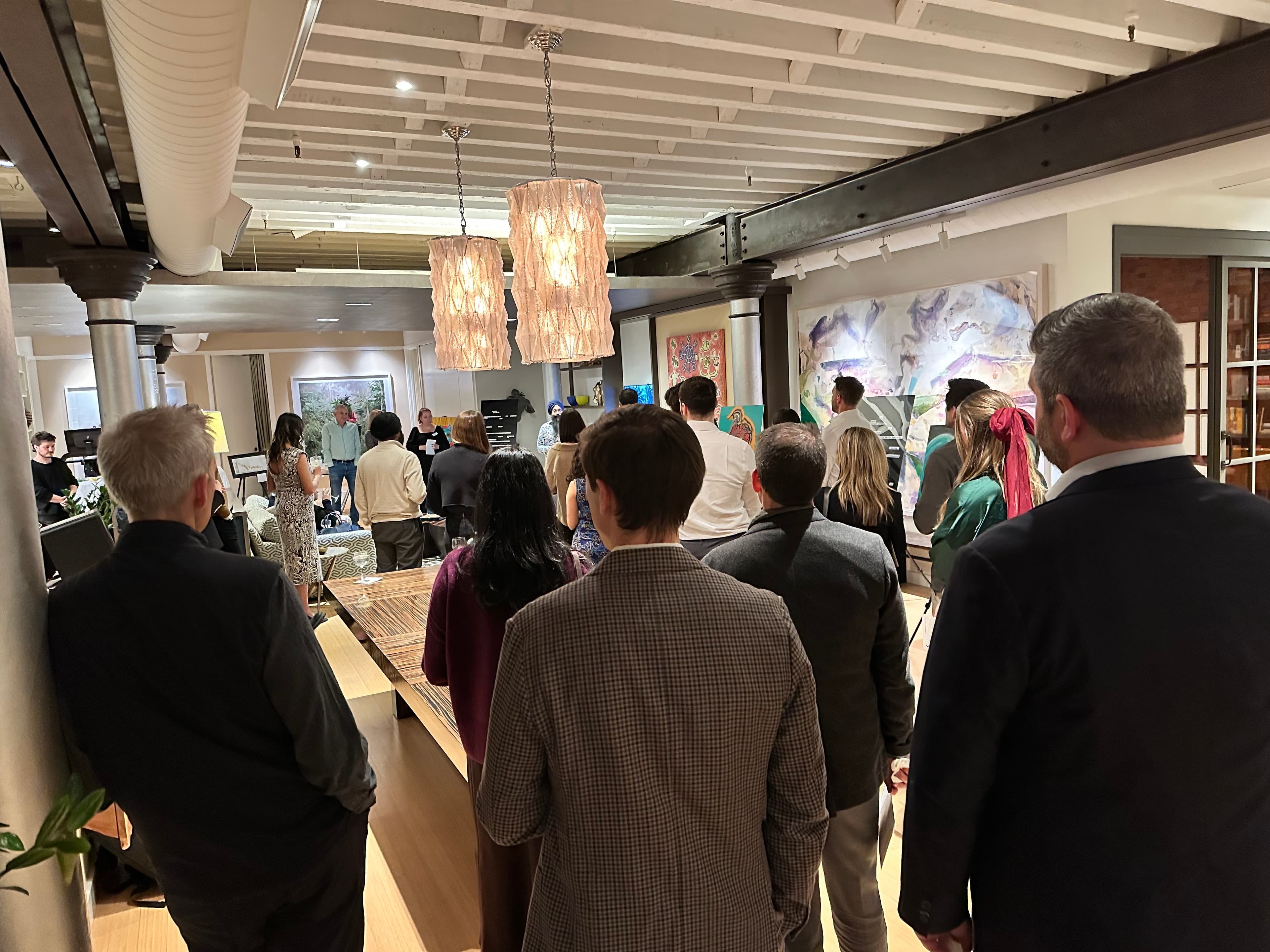
The International Center for Advocates Against Discrimination (ICAAD) recently opened Canvas of Change: Stories of Climate, Displacement, and Resilience at the Main Lobby Gallery of United Nations Headquarters in New York, running June 5 through July 10, 2026, with free admission. It is the first major UN exhibition from ICAAD's Artivist-in-Residence program.
Canvas of Change is an exhibition of works built for accountability. Beyond the powerful atmosphere it creates, the exhibit brings together works that document histories of structural harm, hold space for collective memory, and in some cases, feed directly into the legal and policy movements fighting to address them. The exhibition presents works across four movements: Origins, Memory, Community, and Belonging, each rooted in a distinct history of structural harm and community resistance.
"ICAAD has always worked across law, tech, and art because no single discipline has ever been enough to confront structural discrimination on its own. Every work in the exhibit is connected to a movement, a systems problem, an affected community. Confronting it requires people to examine not just the systems around them, but the assumptions they carry inside them. That is what this exhibition asks of every visitor, including the ones with the power to change things."— Jaspreet Singh, Co-Founder, ICAAD
From a Church Hall in Auckland to Stopping a Mining Operation
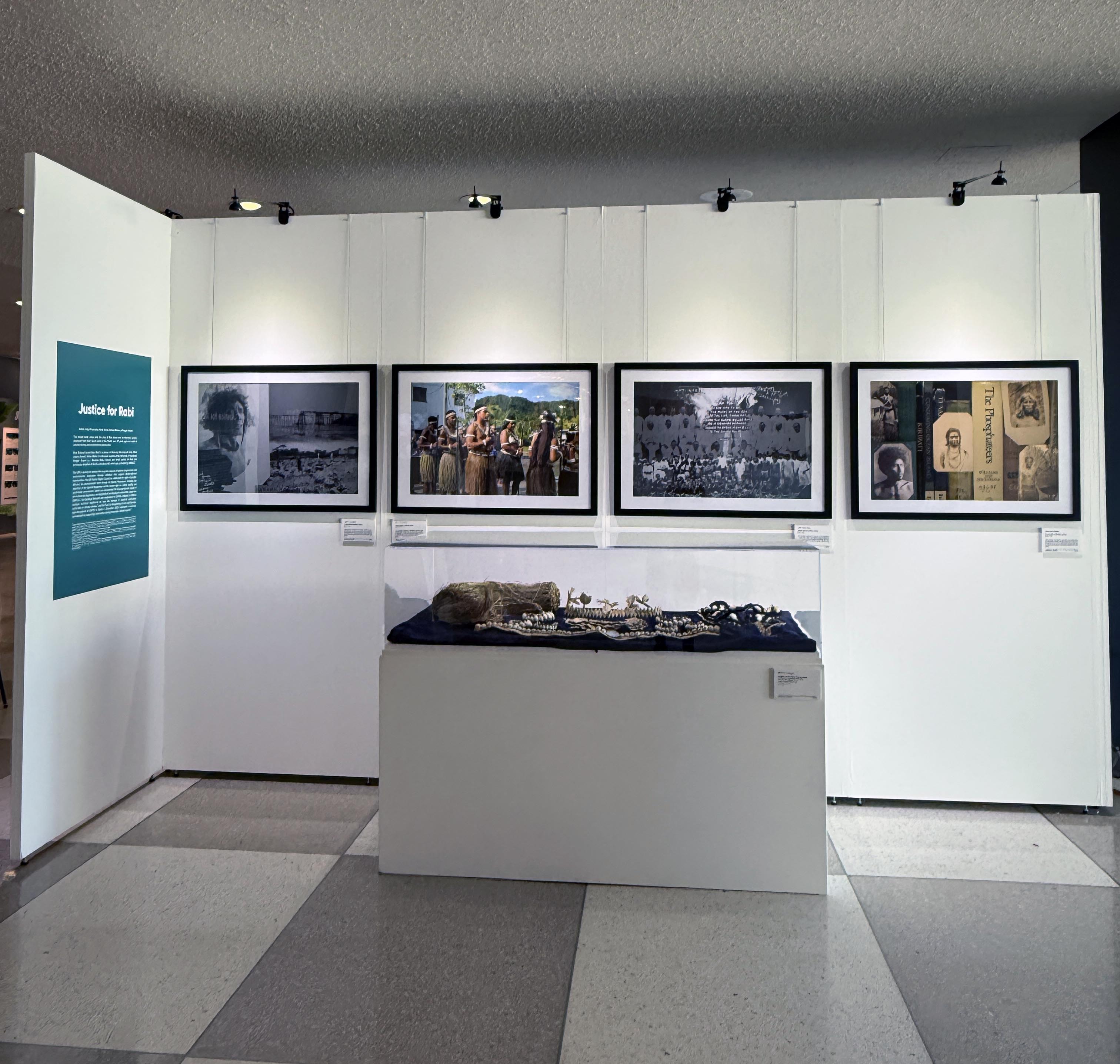
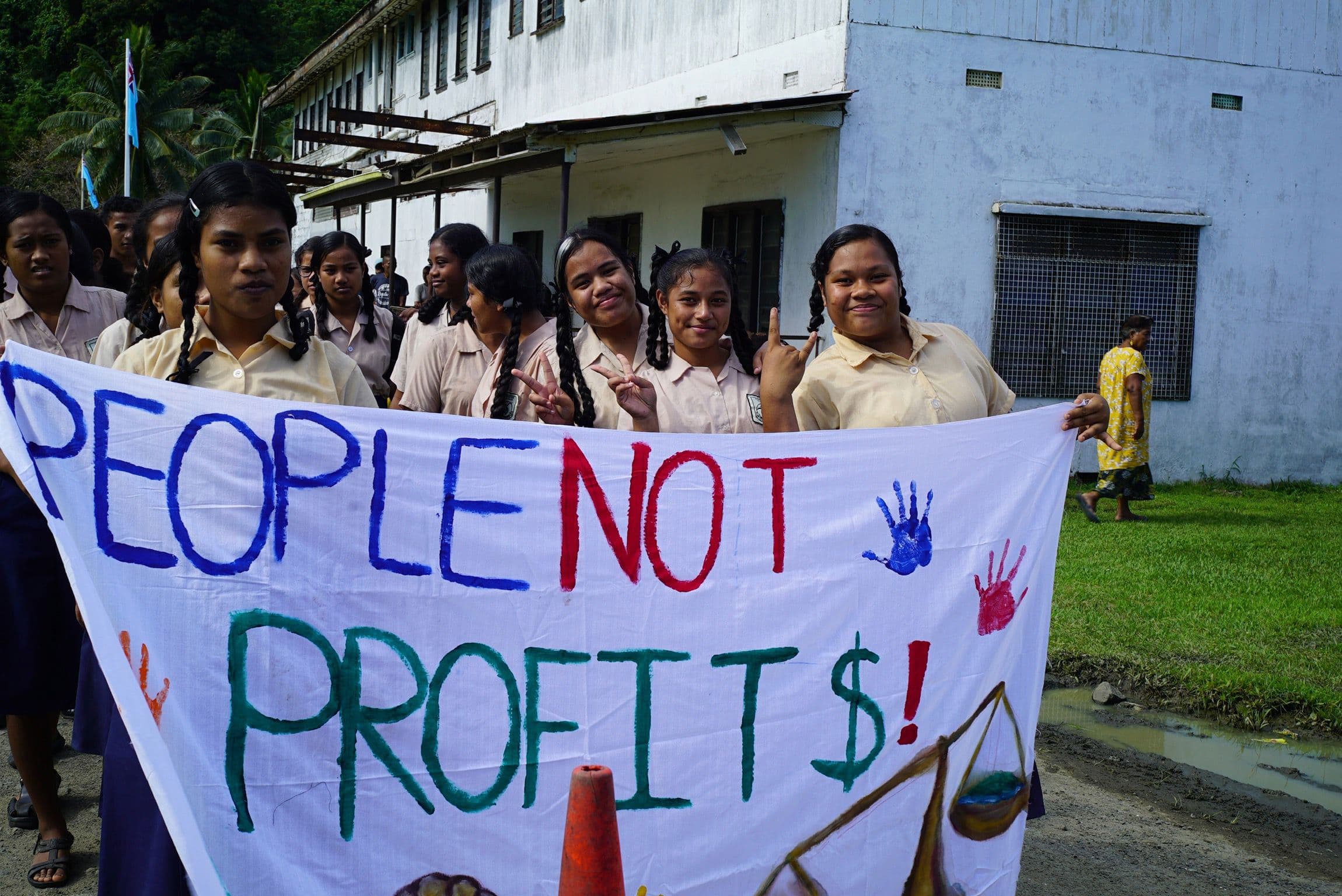
In 2022, Banaban dancer Zach Bakaua Tabukinibanaba raised an idea with ICAAD Artivist Katja Phutaraksa Neef and Director Erin Thomas: bring the story of the Banaban people, displaced by British colonial phosphate mining in 1945 and relocated to Rabi Island in Fiji, directly to the people responsible. The resulting waterfront exhibition in Auckland drew 849 visitors and brought Banaban dancers face-to-face with political representatives who had never engaged with this history. It catalyzed the Banaban Human Rights Defenders Network, which helped stop a renewed attempt to mine Banaba in 2023 and carried the Banaban story to the UN in Geneva in 2025. Art opened a door, and legal accountability followed.
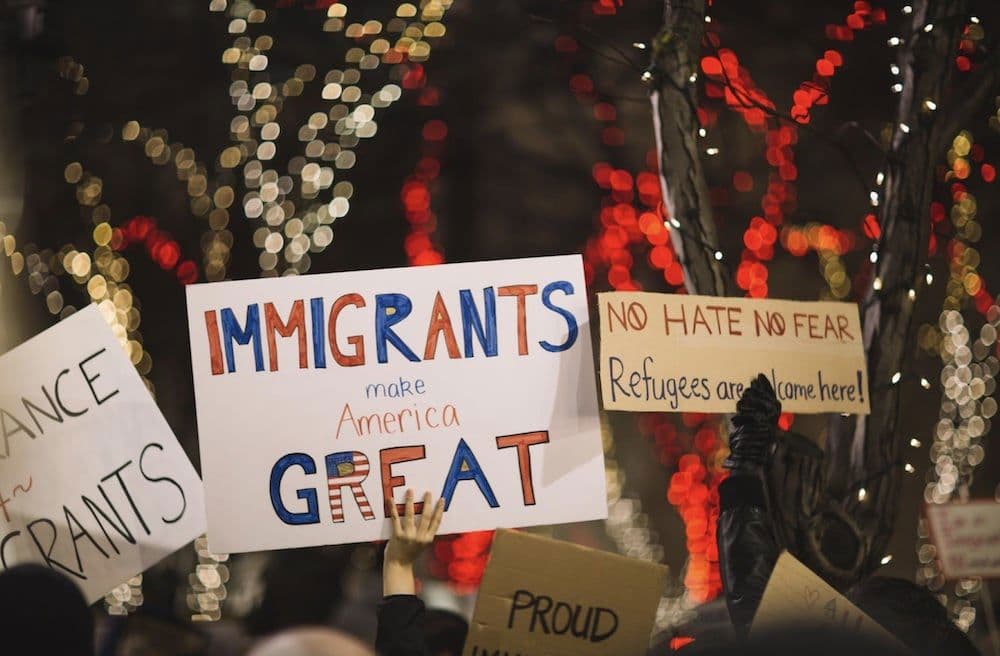
Justice for Rabi is one thread in a larger tapestry. Canvas of Change brings together South Asian, African American, and Indigenous artists across four movements, each a distinct lens on how art holds histories that legal and political institutions have failed to hold.
Four Movements
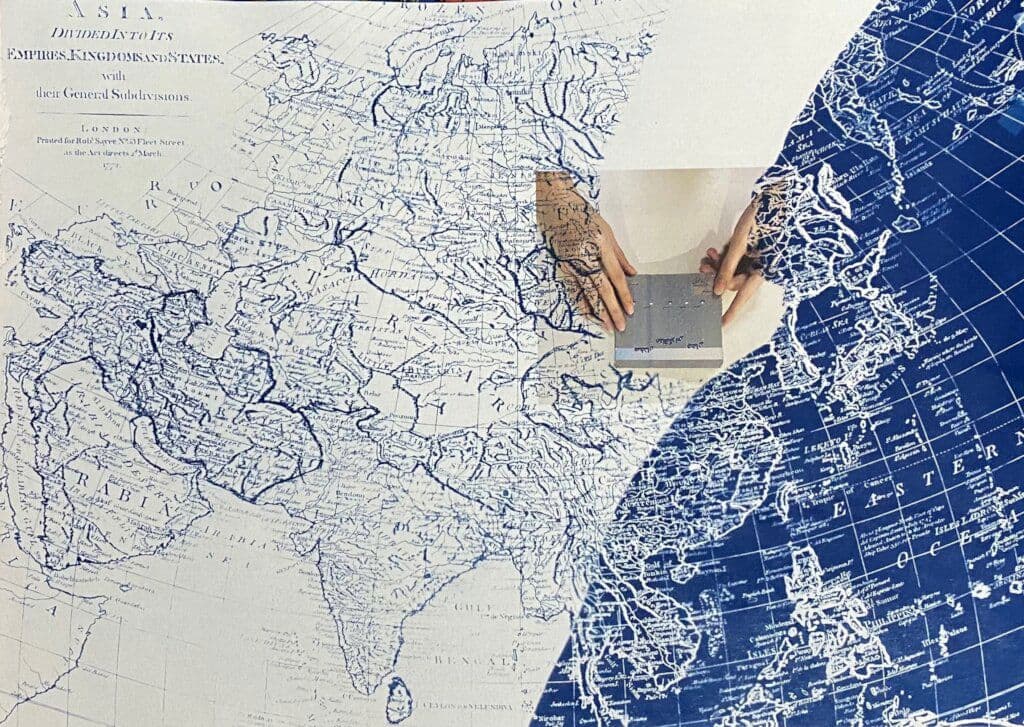
Origins: Colonialism and the Climate Crisis. Namita Kulkarni's paintings examine over-extraction and Indigenous sustainable practices as inseparable threads of the same story.
Memory: A Home in the Constant Flux. Dilpreet Bhullar traces memory and the objects of love that survive migration.
Community: Justice for Rabi. Works by Katja Phutaraksa Neef, Vaitoa Teaiwa Mallon, and the Banaba Women's Organization document the Banaban people's decades-long struggle for recognition and reparations.
Belonging: American Sikh and re:covering. Vishavjit Singh and Ryan Westra present the true and unlikely story of an American-born, turban-wearing Sikh man who, after a lifetime of prejudice and self-doubt, finds acceptance in a superhero costume. Queen's quilt-inspired re:covering invites visitors into a re:flexing practice, examining how internal assumptions shape external systems of harm.
Artist Talks: June 11 at 4 PM (Namita Kulkarni), June 12 at 4 PM (Namita Kulkarni and Vishavjit Singh), June 19 at 12 PM (Vishavjit Singh).
How to Visit: Free and open to the public, Monday through Friday, 9 AM to 5 PM. Registration in advance is required to enter the UN -- click here to visit.








_20230209020820132.png&w=3840&q=75)

_20220216225522035.png&w=3840&q=75)






.jpeg&w=3840&q=75)