Updates from Quarter 3
Our operations in the field are divided into two categories:
- Teachers Development
-Cluster Academic Meetings (CAM)/ Teacher Collectives
-Implementation observed post-teacher collectives
- Community Participation
-Gram Sikhiya Sabhas (GSS)/ Community Collectives
-School Management Committee (SMC) Meetings
-Panchayat Collectives
Following are some updates from the last quarter:
I. Teachers Development
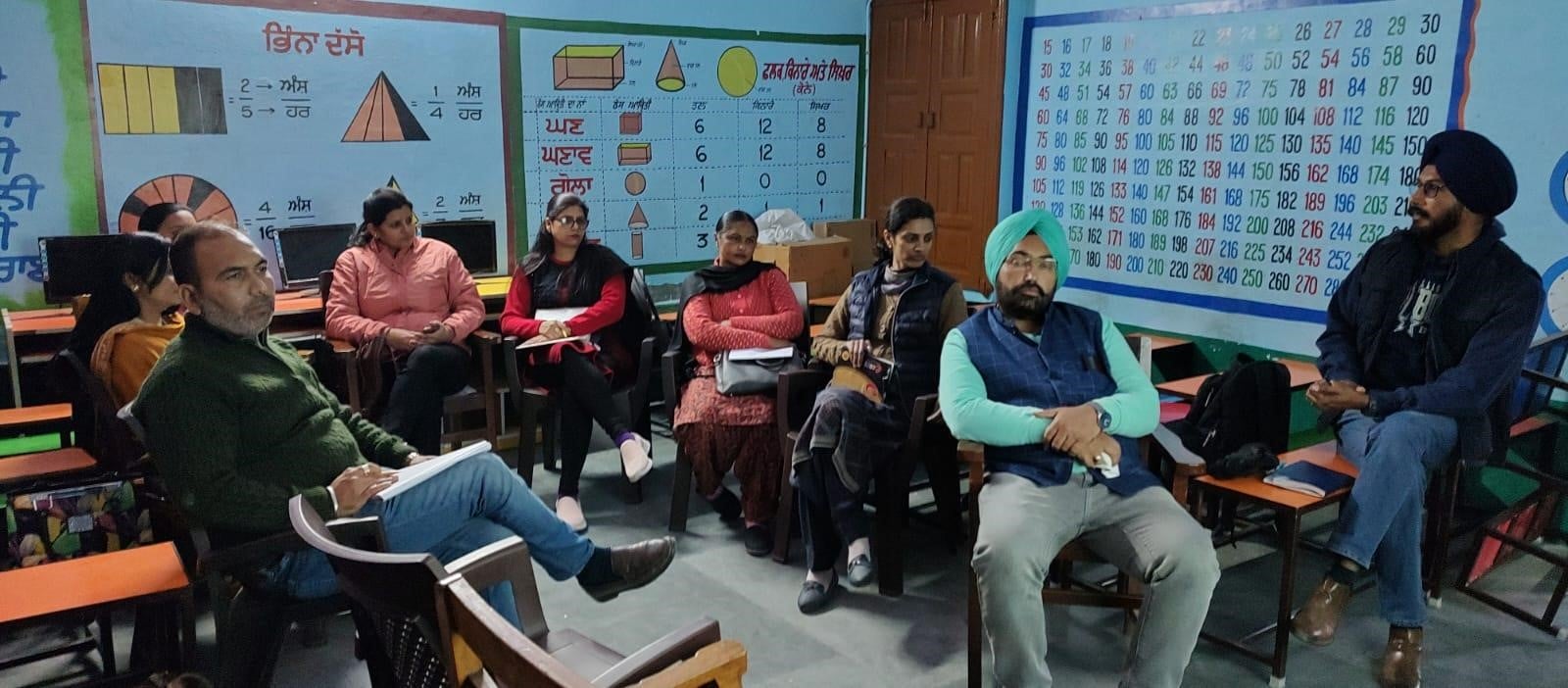
Cluster Academic Meeting (CAM)/ Teacher Collectives
Number of collectives held : 24
Purpose of Cluster Academic Meetings:
To create a space for a cluster’s teachers to
-Understand the importance of collaboration amongst them;
-Share and innovate new practices that would help students attain LOs.
-Brainstorm on the common challenges and design their solutions.
Some of the topics of discussions during these meetings were:
1. A conversation on how Storytelling can be used in teaching language skills was initiated. Discussion on the following themes took place:
-What is storytelling? Why is it important?
-How can it help children in language learning?
-How to design storytelling sessions with the children?
2. Oral comprehension:
-How to build upon the children's existing knowledge in helping them become fluent in speaking?
-A discussion on our focus on comprehending oral expression vs focus on the accuracy of pronunciation was also held.
3. Discussion on the baseline assessment conducted in the month of July with the teachers, and address the gaps.
4. Teachers discussed the areas where they face challenges with the students such as letter identification, vocabulary, reading and comprehension, face value and place value, and word problems.
II. Community Participation
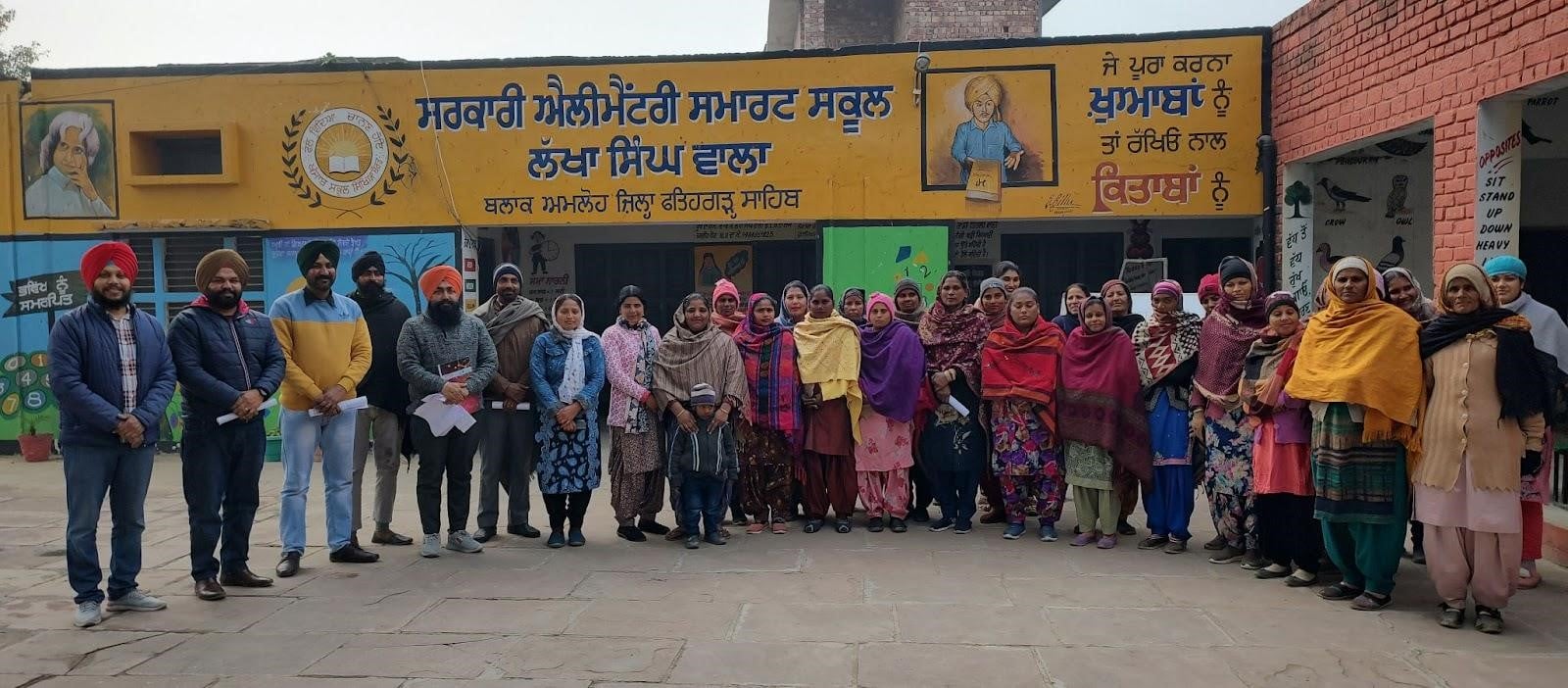
1. Gram Sikhiya Sabhas (GSS)/ Community Collectives
Number of collectives held: 57
Purpose of these community collectives:
-To enable an effective dialogue between the community and the school;
-To raise awareness on the community’s involvement and responsibilities in the school,
-To discuss the community’s vision of their school and planning the next steps for it.
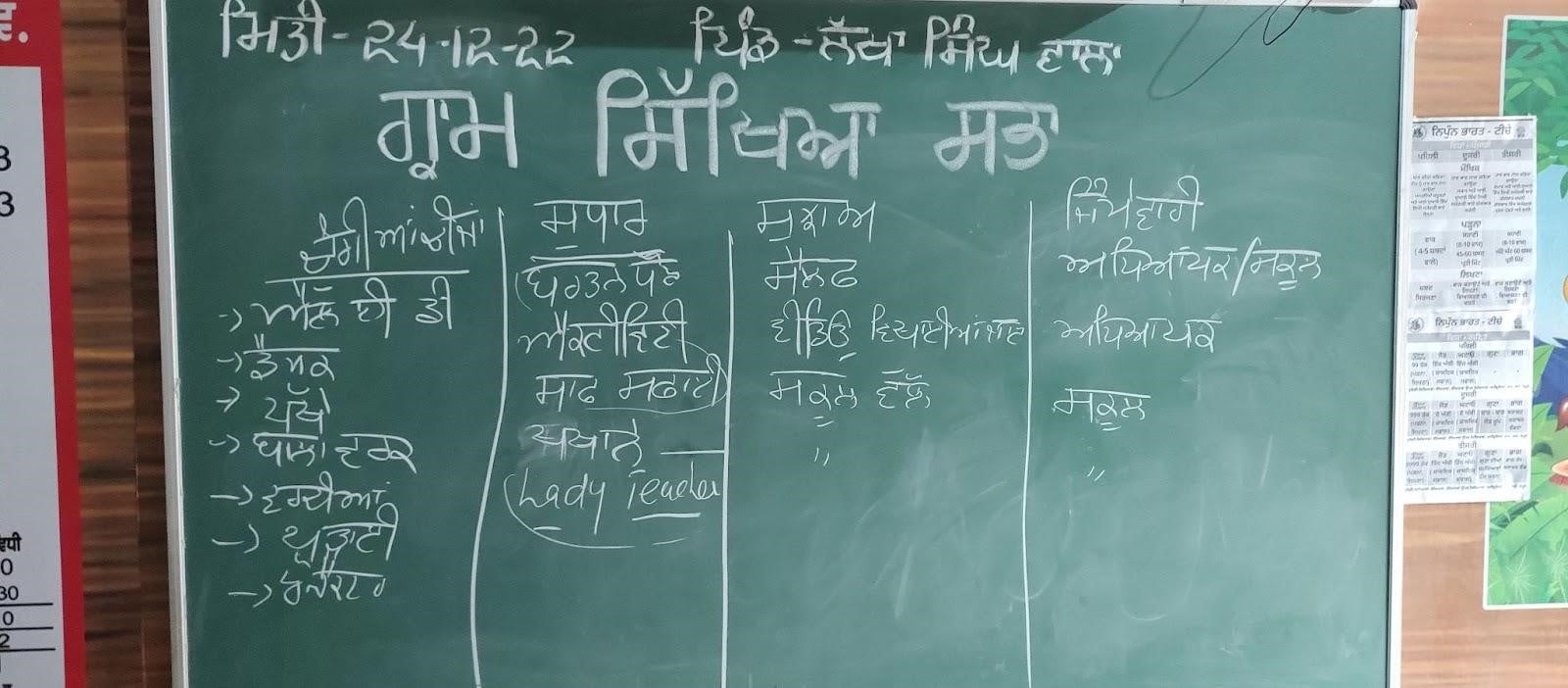
Some highlights from the Community Meetings:
- The roles and responsibilities of the SMC and the Panchayat towards school were discussed.
- There were certain infrastructural issues that were discussed in the meetings.
- The parents also agreed to help in the provision of quality education to their children by actively engaging their children post-classroom and providing a learning environment at home.
- Issues related to low enrollment and how to improve enrollment were also discussed.
2. School Management Committee (SMC) Meetings
Number of meetings held:30
Purpose of SMC Meetings:
-To encourage parents and SMC members to participate in the school development plan & support its effective implementation.
-To discuss the progress of the outcomes and tasks discussed in the previous meetings.
Some highlights from the SMC Meetings held:
- Discussed the importance of parents spending time with their children, importance of storytelling in their child’s lives;
- Importance of having a healthy home environment and parent-child relationship for a child was also discussed;
- Supported the teachers in facilitating the ‘Child Sexual Abuse’ aspect in the Mother’s workshop. Since this was an important topic of discussion, we invited all the parents (i.e. of all the grades);
- Discussion on their roles and responsibilities and their significance to the school was held;
- SMC & Parents were encouraged to frequently visit the school to discuss the school and their child’s needs with the teacher.
SMC, Sarpanch, and Teachers volunteered to pay a salary of Rs. 3,000 for their computer teacher volunteer;
- SMC agreed to meet monthly for discussing the school’s needs;
3. Panchayat Collective
Number of Collectives held: 01
Location: Chamkaur Sahib, Rupnagar
Purpose of Panchayat Collective:
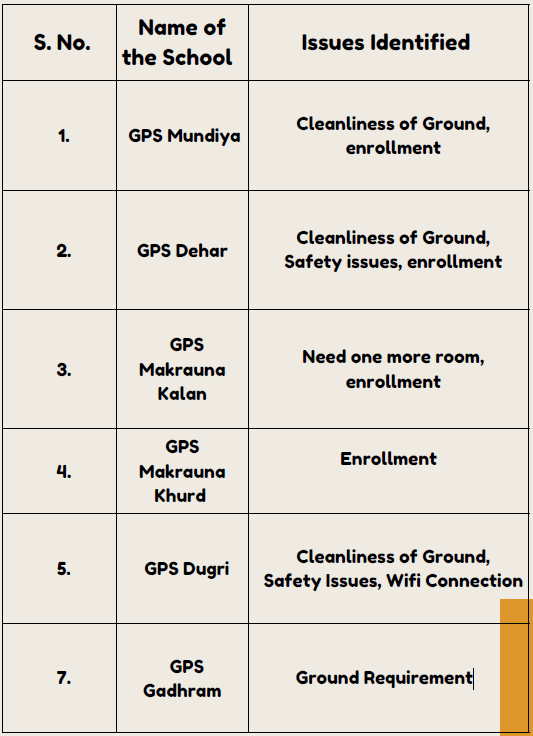
To bring different stakeholders from Panchayati Raj and Education Department together, namely BDPO, Panchayat Members, Panchayat Secretaries, BPEO, and CHT to discuss infrastructural issues in the schools of the cluster.
Issues Identified and Discussed:
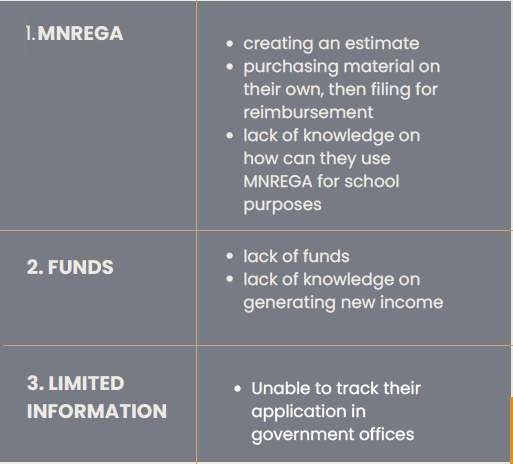
Challenges put forward by the Panchayats:
Way Forward:
- More Participation of Panchayats in SMC meetings, Student Enrollment Drives, Child-friendly schools, and a community environment is needed to fulfill the initiative of the Punjab Panchayati Raj Act, 1994;
- Need for cordial cooperation between Concerned Teachers and Panchayats;
Panchayats need better guidance on different types of funds available and how to avail them.






.jpg&w=3840&q=75)