As Punjab struggles with a flux of emigration which can only draw parallels in zones of civil-turmoil, a question arises: why, despite not being such a zone, is Punjab so afraid to stay at home?
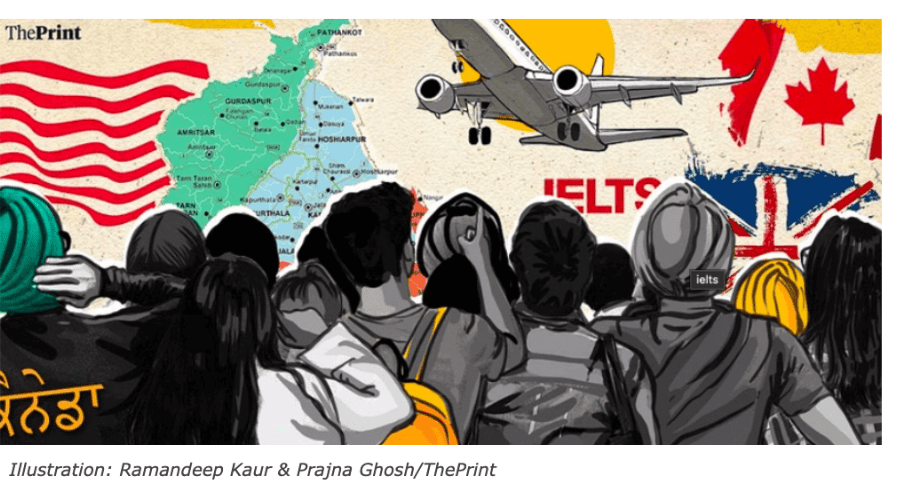
The primary rationales behind this tide of emigration are dim employment prospects and vulnerability to substance abuse; these ‘push’ factors have implications for two sets of stakeholders. Firstly, there is a direct impact on the youth, which, in the search of better job opportunities and a secure environment, leaves the country. Secondly, there is an indirect impact on families, which, seeking the same opportunities and security for their children, leave the country. Considering the present-day conditions of Punjab, the validity of these reasons is undeniable.
However, the concerns lie elsewhere, and are not easily foreseeable because they present with a time-delay, a few years after immigrating . As the rush of skyscrapers and lights, as the excitement of new cars and new houses begins to settle, one finds several pieces missing. The communication and cultural gaps between parent and child seem insurmountable. The distance from parents and the guilt of long lost-time away from home scrapes away at the heart. The absence of a constructive social-circle triggers splurges on shallow shows of splendour. Yet, the puzzle remains unsolved.
Tracing this sequence of events back in time: it started with the ‘move’ away from home; which was a result of Punjab’s imperfect circumstances. Therefore, it is very clear that the root of the ailment lies in India as we take symptom-masking pills across the globe. Fixing the root problem requires generation of employment opportunities which would inversely impact substance, crime, poverty, etcetera. Sustainable-Employment which starts today and persists into tomorrow is the way forward for a nation which seeks genuine prosperity.
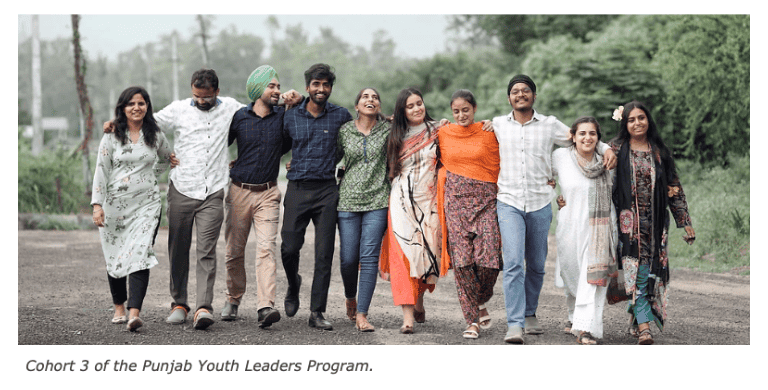
Punjab Youth Leaders Program (PYLP), a social-initiative based in the state, is an endeavour which checks both criteria of Sustainable Employment: opportunities today and opportunities tomorrow. Promising young leaders are selected and offered compensation to work in education reform. Along with this, their personal development is supported to inculcate social responsibility and a true sense of leadership. These values are what will carry forward to create employment opportunities in the future.
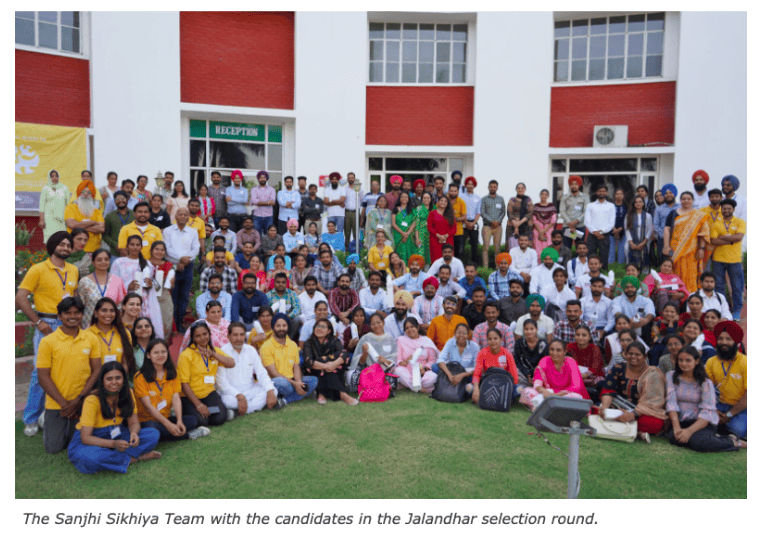
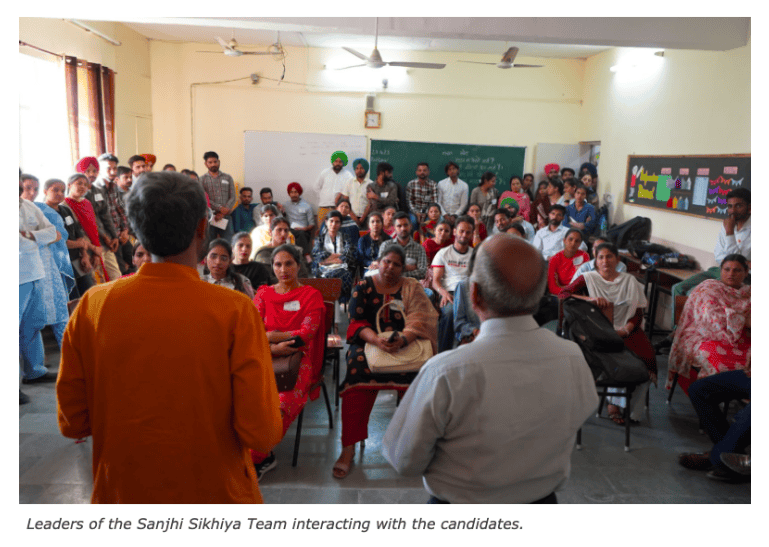
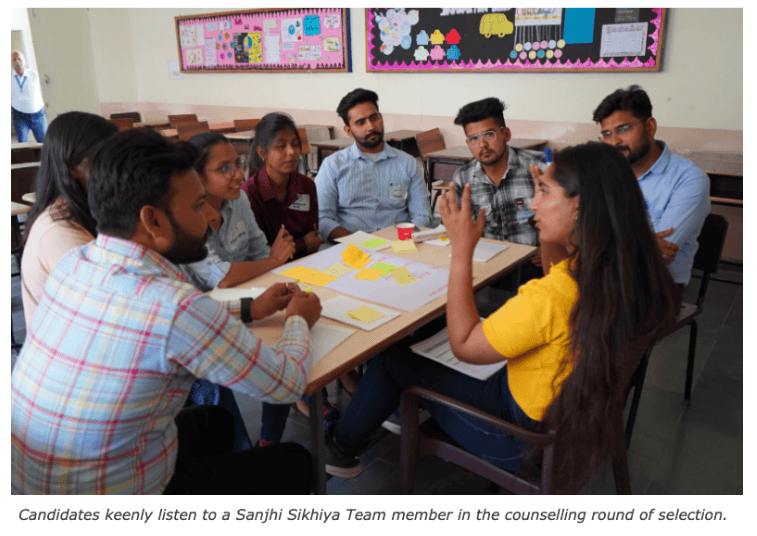
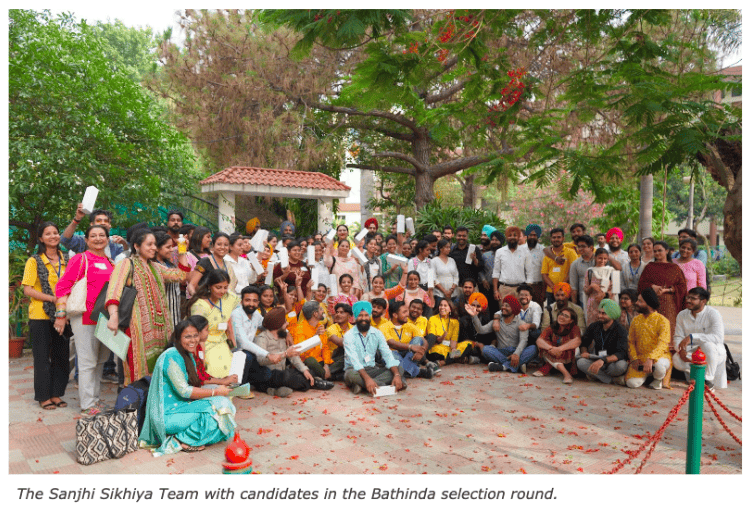
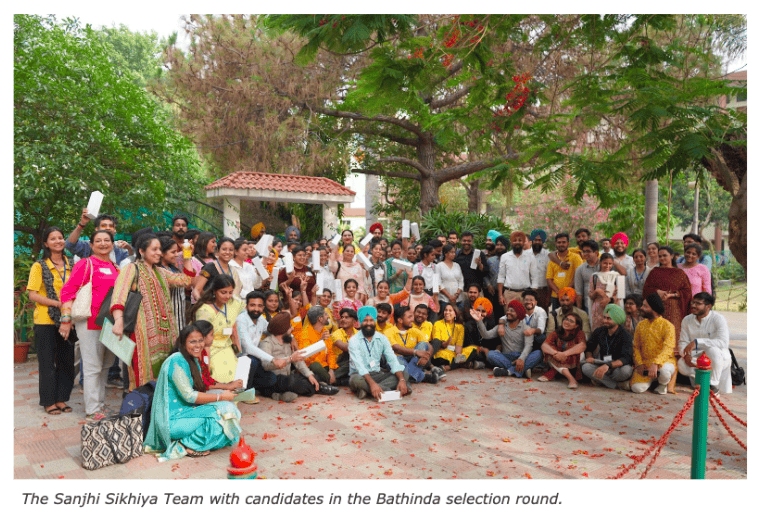
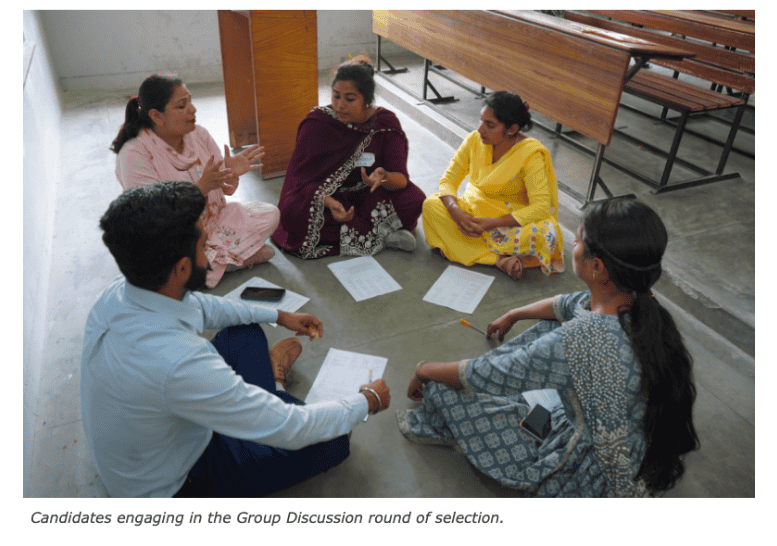
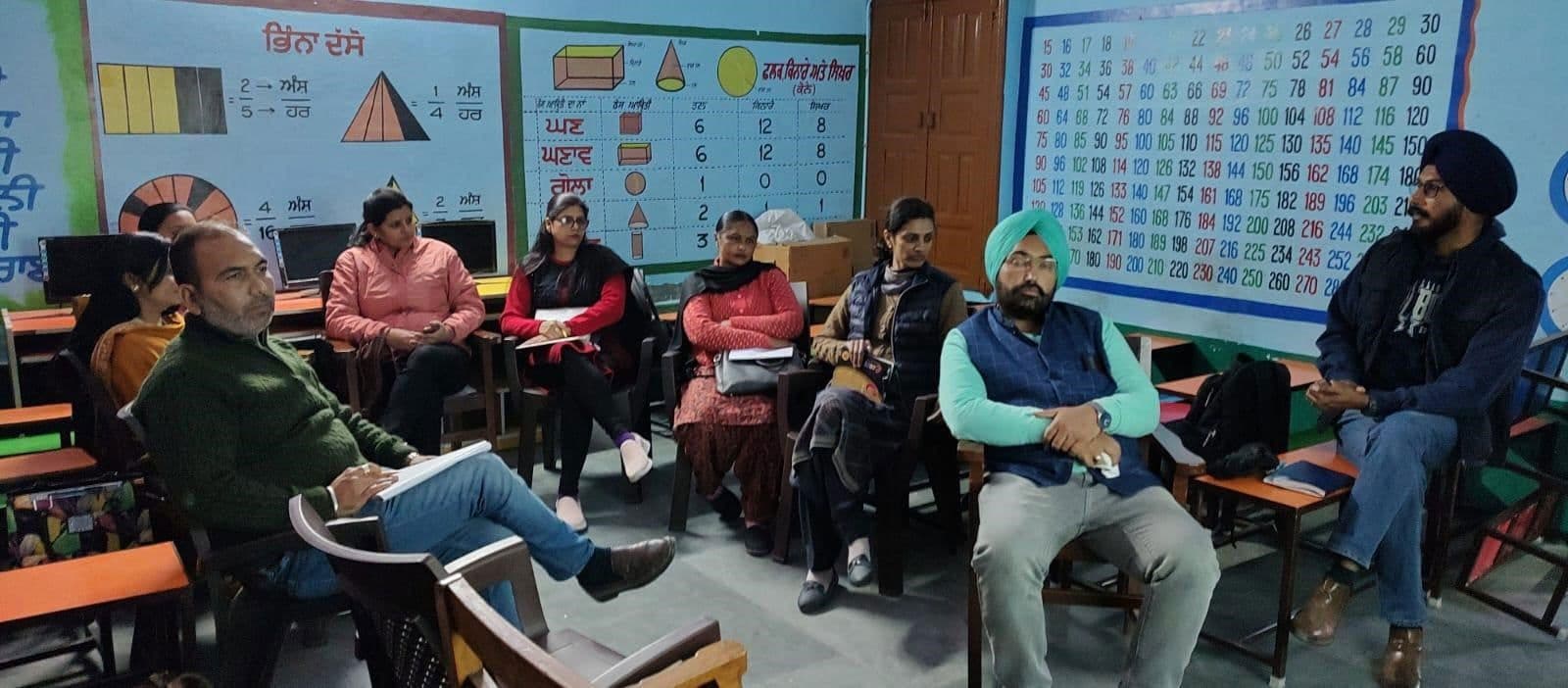
As young leaders of Cohort-3 graduate from the PYLP Fellowship, the Cohort-5 selection process is also coming to a close. This year, around 620 aspirants completed the online PYLP application. After intensive review, shortlisted candidates were invited for the in-person selection rounds in Bathinda and Jalandhar. Both selection days saw an exceptional turnout of 160 future leaders from diverse backgrounds. The selection process engaged the aspirants in four screening components: an interview, a counselling round, a group activity and a group discussion. Regardless of what the selection outcome will be, the candidates got a first-hand experience of what the world of leadership looks like.
Here is a glimpse






.jpg&w=3840&q=75)