 The Sanjhi Sikhiya Foundation is a nonprofit organisation with a vision of transforming Punjab into a land of hope, courage and possibilities. We understand that the issues facing Punjab today: substance abuse, migration, declining water and soil health, etcetera, can not be tackled in isolation. The solution to these problems is Systemic Change, a holistic approach to shifting the population’s priorities towards socially significant subjects over time. Our work revolves around preparing the landscape for this Systemic Change through two avenues.
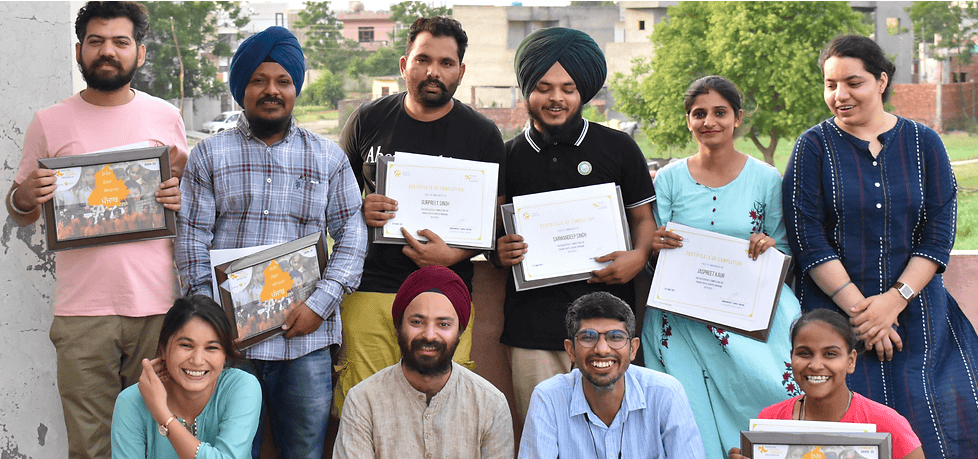
The Punjab Youth Leaders Program (PYLP) is a one-of-a-kind leadership development programme which identifies young leaders in the community and prepares them with the mindset, skillset and network to bring about Systemic Change. The preparation is conducted in the context of a two-year fellowship (compensated) with the simultaneous objective of improving the quality of education in the primary government-schools of Punjab. With a heavy emphasis on personal learning (frequent learning sessions) and practical experience (intensive fieldwork), the young leaders graduate the fellowship, equipped with the essentials, to make our vision a reality.
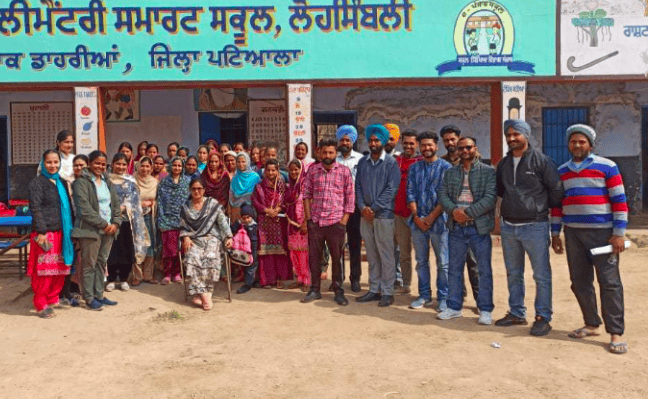 The Cluster-Transformation Process (CTP) is an education reform initiative which currently focuses on ‘elementary government schools’ in Punjab. In Punjab, every district (ਜ਼ਿਲ੍ਹਾ) is divided into blocks (ਤਹਿਸੀਲ)) which are further divided into clusters, each comprising 10-15 schools. The CTP initiative has two parallel verticals operating at the cluster level: a learning path and a governance path. The Learning Path hosts discussion platforms for teachers to collaborate and improve learning outcomes in children. The Governance Path hosts discussion platforms to activate the School Management Committee (SMC) and local-government authorities (Panchayats). This is done by informing the SMC of its rights and responsibilities in SMC Meetings; and, seeking participation of the Panchayat in Gram Sikhiya Sabha (GSS) Meetings.
Cluster-Transformation Process
Summary of our efforts in 3 districts of Punjab since the beginning of 2023.
Learning Path
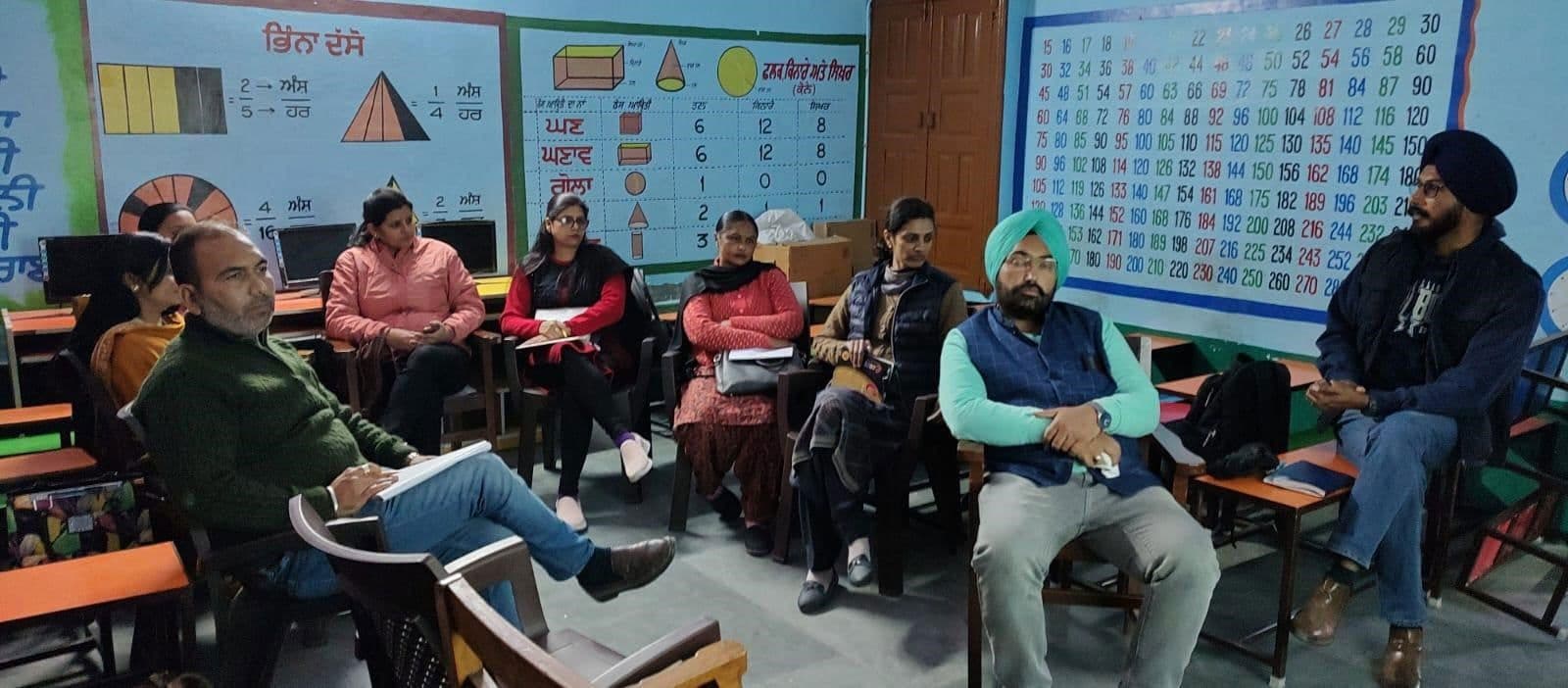
The Learning Path is oriented towards the engagement of teachers to improve learning outcomes in children. This is accomplished through teacher collectives, also known as Cluster Academic Meetings (CAMs).
a) Cluster Academic Meetings (CAM)
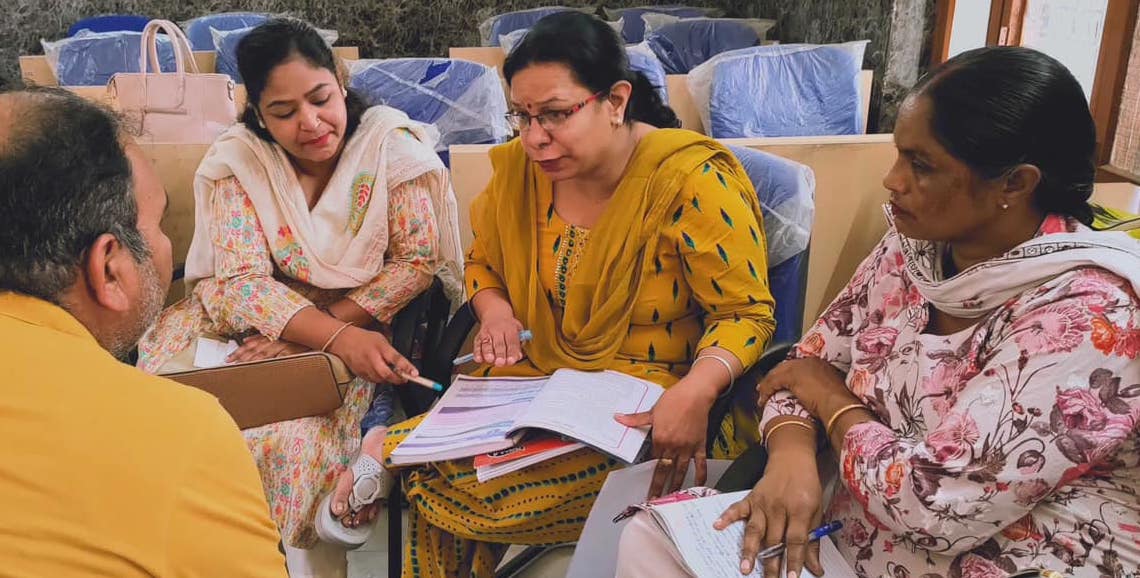 Purpose
- To provide a space for teachers to collaborate (by sharing their best-practices and solutions to challenges).
- To plan monthly academic goals effectively.
In-Practice
Twenty-eight meetings were conducted.
Governance Path
The Governance Path is oreitned towards the engagement of the community to raise awareness on the rights and responsibilities of the SMC (school administration) and Panchayat (village administration). This is accomplished through three platforms of discussion:
a) School Management Committee Meetings (SMC)
b) Gram Sikhiya Sabhas (GSS)
c) Panchayat Collectives
a) School Management Committee Meetings
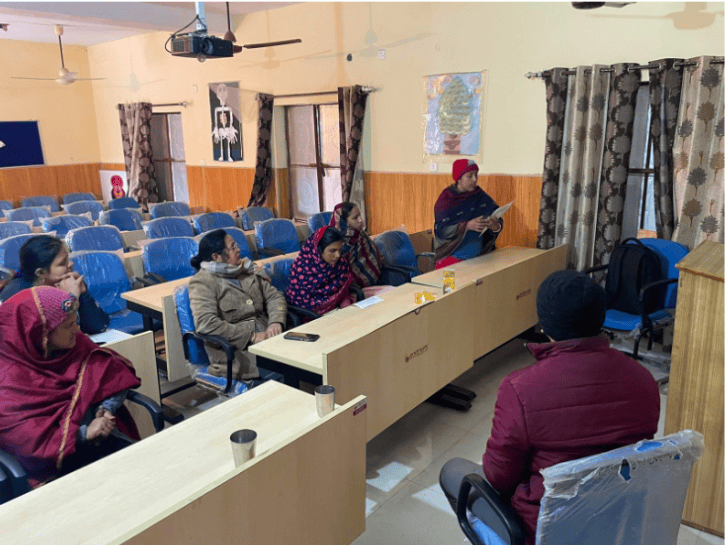 Purpose
- To activate and empower the SMC (by raising awareness of an SMC’s rights and responsibilities).
- To create a School Development Plan.
In-Practice
Eight meetings were conducted.
b) Gram Sikhiya Sabha (GSS)
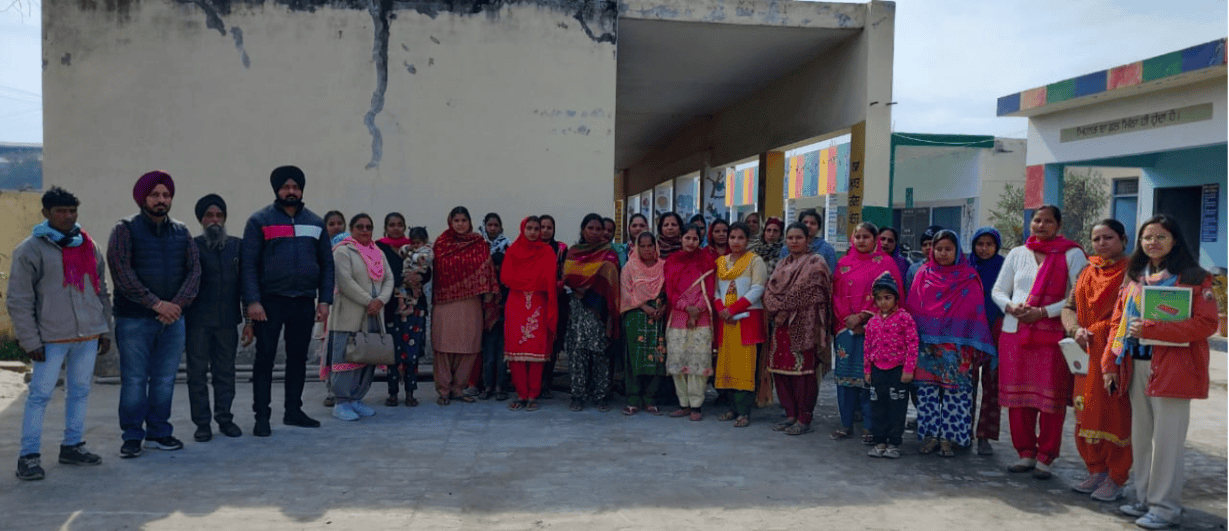 Purpose
- To empower SMCs (by giving them access to a community discussion forum).
- To activate the Panchayat in carrying out its responsibilities.
- To create an ecosystem which values and supports government schools.
In-Practice
Twenty-three meetings were conducted.
c) Panchayat Collectives
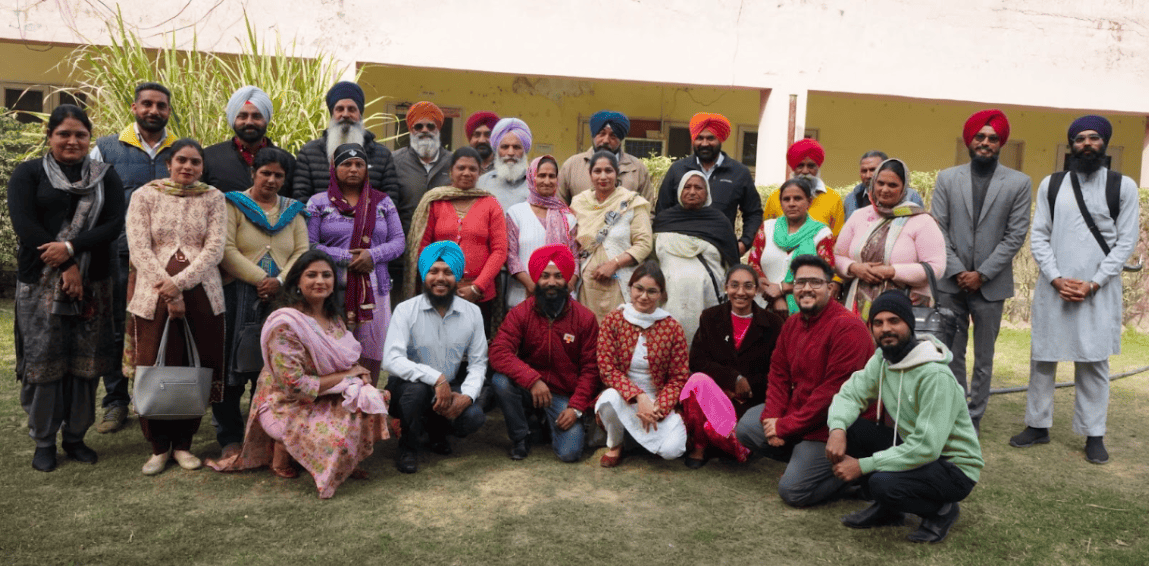 Purpose
- To initiate conversation around foundational education in local government.
- To provide for Panchayats to collaborate (by sharing by sharing their best-practices and solutions to challenges)
In-Practice
- Six meetings were conducted.






.jpg&w=3840&q=75)